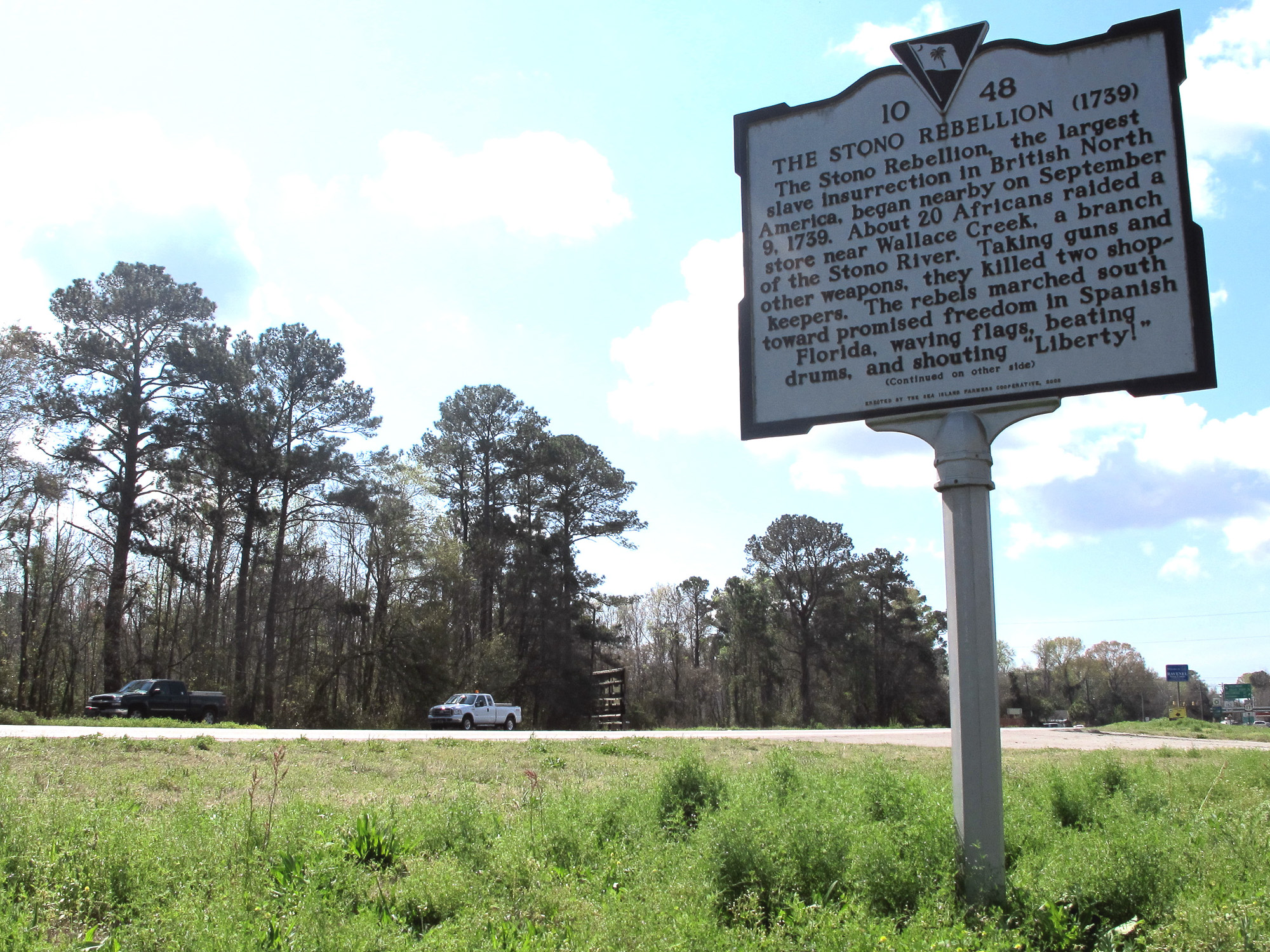
(AURN News) — On Sept. 9, 1739, the Stono Rebellion began near the Stono River in South Carolina.
Led by an enslaved man named Jemmy, a group of enslaved Black people gathered, seized weapons and began marching south toward Spanish Florida, where they hoped to gain their freedom.
As they traveled, they reportedly carried a banner and called out “Liberty,” drawing more enslaved people into the uprising.
As the march continued, the group killed several white colonists and burned plantations along the way.
The uprising was eventually met by colonial militia, which killed many participants and captured others. Some escaped, while others were later executed.
In the years that followed, the Stono Rebellion came to be remembered as one of the largest uprisings of enslaved people in Britain’s mainland North American colonies.
The uprising also prompted South Carolina lawmakers to pass the Negro Act of 1740, imposing stricter controls on enslaved people, including limits on movement, assembly, education and economic activity.