
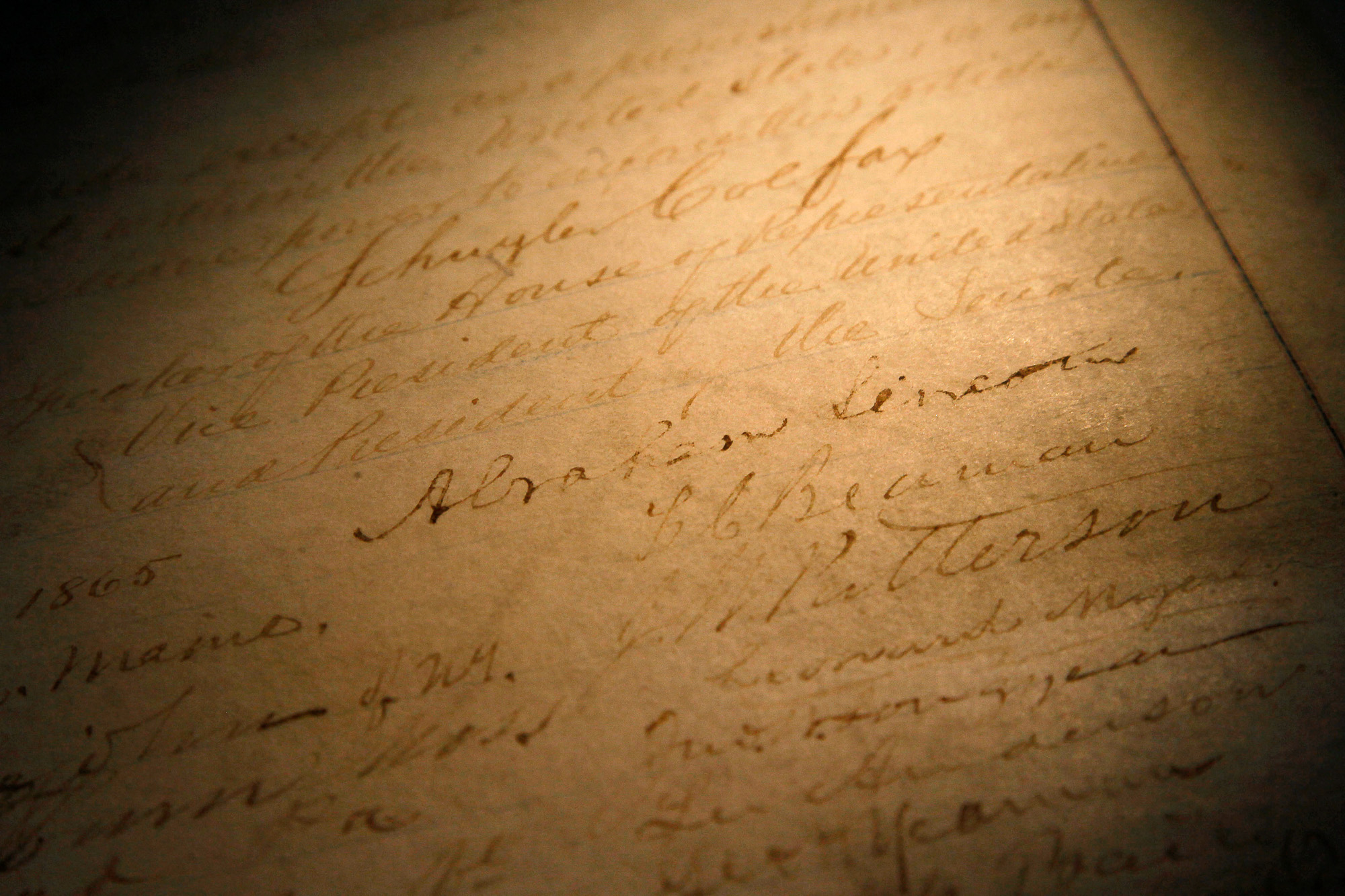
(AURN News) — On this day in 1865, the Kentucky General Assembly refused to ratify the 13th Amendment, which abolished slavery except as punishment for a crime.
Though Kentucky remained in the Union during the Civil War, its lawmakers resisted President Abraham Lincoln’s policies and feared federal interference with slavery. In 1862, Lincoln proposed gradual emancipation with compensation for enslavers in border states, but Kentucky’s leaders rejected his plan.
The Emancipation Proclamation of 1863 did not apply to Kentucky because it applied only to states in rebellion against the Union, allowing slavery there to continue.
On Feb. 24, 1865, Kentucky legislators formally voted against the amendment. In the years that followed, many prominent state leaders harshly criticized Lincoln and aligned politically with former Confederates.
Kentucky did not officially ratify the 13th Amendment until 1976.
Click play to listen to the AURN News report from Clay Cane. Follow @claycane & @aurnonline for more.