
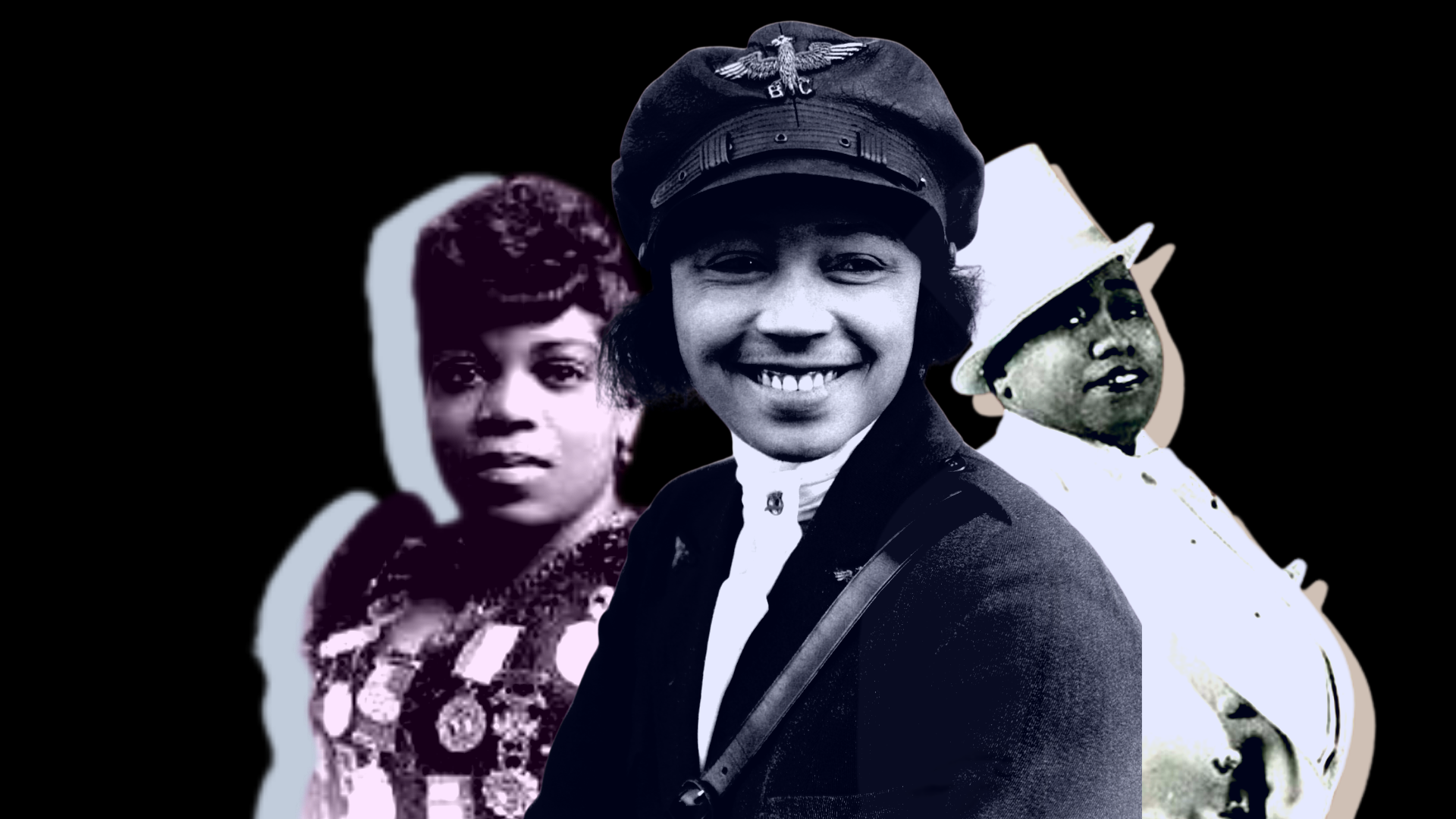
It’s never not a good time for some history lessons. The times we are living in make it especially crucial to get well-researched and accurate information–especially when it comes to trailblazers who have made a significant impact on how future generations will live their lives.
Enter Unladylike2020, PBS’s docuseries about unsung women who have changed the world. The series launched on YouTube in February and concluded in August, but the videos are still available to view. The series features shorts on 26 women—especially women who are BIPOC—including Bessie Coleman, Meta Warrick Fuller, Charlotta Spears Bass, Mary Church Terrell, Gladys Bentley, Sissieretta Jones, and Maggie Lena Walker.
These women have made strides in the arts, science, politics, aviation, and more. AURN reached out via email to Unladylike2020 executive producers, Charlotte Mangin and Sandy Rattley, who shared the following statement:
“An analysis completed by the Smithsonian Institution’s National Women’s History Museum of K through 12 American history curriculum shows that just 6% of the ‘heroic figures’ or history makers that are taught in classrooms across the nation are Black women; and the names that are seen the most often are Rosa Parks, Harriet Tubman and Sojourner Truth. While these women are worthy of focus, it’s also important for all children, boys and girls, and all Americans to know that this country was built and democracy was refined, tested and polished by the bravery and defiance of countless women of color throughout our history. It is important to know that the civil rights struggle, the fight for voting rights, women’s rights, gender equality – the gains of all these movements, and more, were accomplished through the acts of courage of countless individuals. We think knowing that individual acts of resistance contribute to our collective experience of justice and freedom makes everyone more aware of their personal power. We think the Unladylike2020 women’s stories provide powerful testimony to how one person can in fact make a difference.”
The producers also explained that they chose YouTube because they wanted to create mobile and bite-sized content that makes history relevant, exciting, easy to digest and easy to share. In addition to YouTube, there will be shorter, bite-sized clips of each documentary available for viewing on Facebook, Twitter and Instagram.
At this point, with access to accurate information there is no excuse not to be educated.
“We think it’s important to know that the arc to freedom is in fact long,” says Mangin and Rattley, “that those that preceded us 100 years ago faced many of the same struggles and challenges we do today. We hope that bringing their stories to life provides context and inspiration for current times. It’s also important to learn from the strategies women disruptors employed in the past. And most importantly, we are inspired by their stories – by their courage and audacity.”