
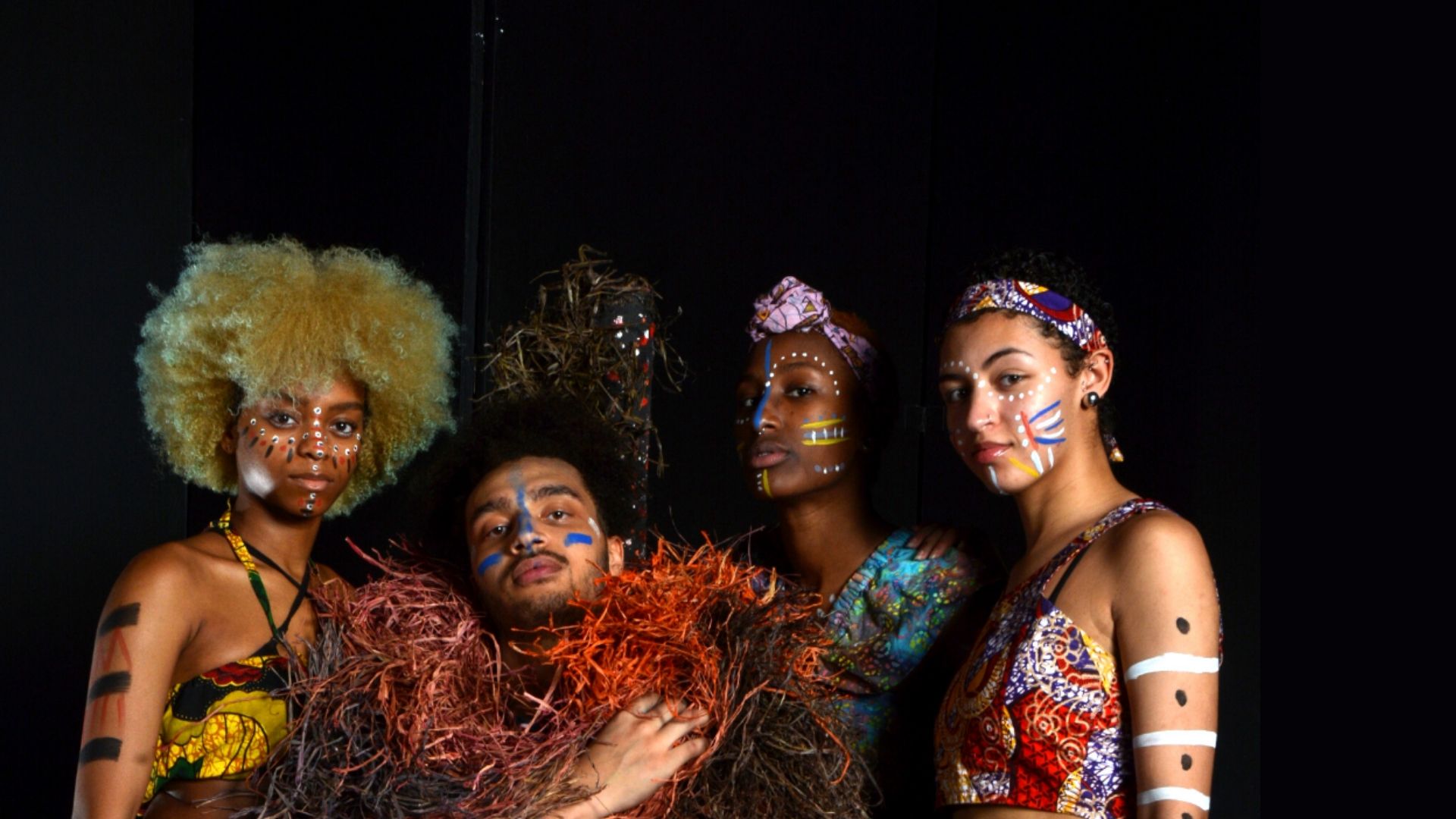
Júlio T. Leitão’s Batoto Yetu goes beyond dance. It’s a not-for-profit organization that’s about empowerment, self-determination, and telling untold stories. Leitão, a refugee who came to the United States during a time of war in Angola, overcame adversity and now uses his life experiences and expertise as an artist to engage youth through dance, culture and heritage. For over 30 years, Batoto Yetu has traveled the world and educated generations of families through West African dance and art.
On Saturday February 8th, several decades of work culminated in a Black History Month celebration honoring Queen Nzinga of Angola. Queen Nzinga was a fierce leader who led Angolan resistance against colonizers in the 1600s; her story came to life in a production entitled The Life and Spirit of a Warrior Queen: Nzinga Mbandi of Matamba. It’s a story most people aren’t taught in school, but dancers hailing from across the diaspora told Nzinga’s beautiful tale through the sights and sounds of vibrant colors, beautiful makeup, percussion and choreography.

“It’s very difficult to be empowered when you don’t know your own history,” Leitão tells American Urban Radio Networks, “And when you’re being fed a history that really sees you in a negative light, and it’s been a narrative that has been there for like, five centuries—I think the way we’re going to succeed is by teaching ourselves the real history. And that’s the way to do it. And there’s a lot of things that we have to do. There’s a lot of digging we have to do to connect the dots. And we have to be able to read between the lines and cross reference with the narrative that we have, and that’s what I’m doing.”
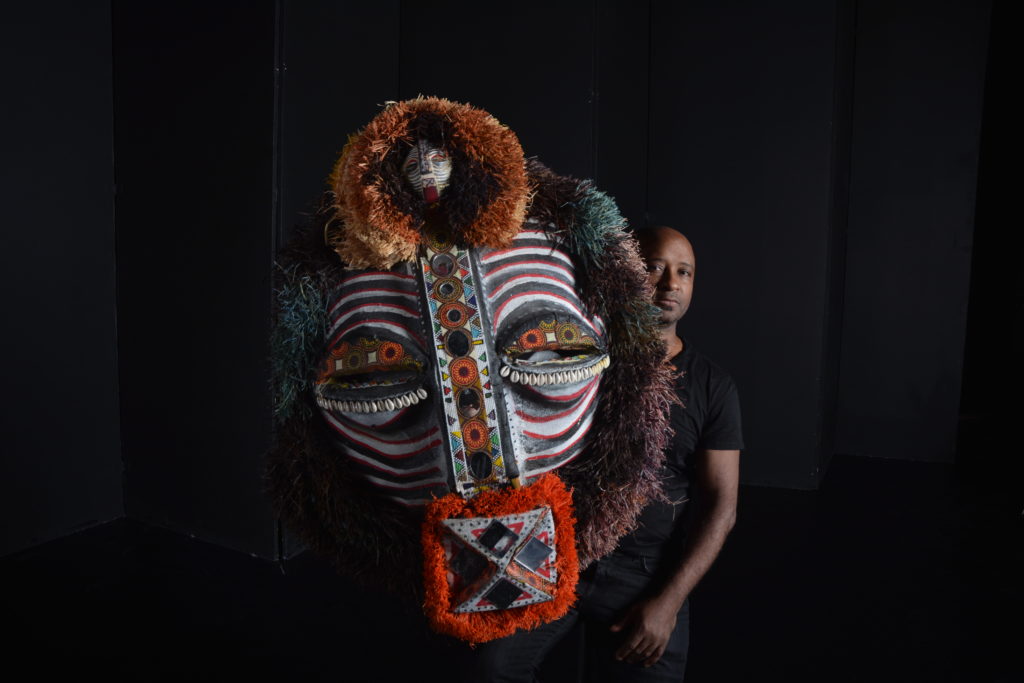
The spirit of Batoto Yetu is that of unity and self-reliance. While Leitão serves as artistic director, sculptor (he often creates masks and other sculptures used on set), and visionary, he is also keen to rely on his village to help him see his vision through.
“All the parents that are involved, are involved in multiple ways,” says Esther Grant-Walker, rehearsal director, dancer and choreographer, “like we do stage management, we’re dressing kids in the back, sewing costumes—because the company does everything for itself. Júlio has designed costumes. The most important thing about Batoto Yetu is that it extends beyond the dance. We’re really about making sure the children understand community, respect each other, and understand what they’re doing. Júlio’s story—he escaped while there was civil unrest in Angola—so it’s not just, 5-6-7-8, what’s the step. There’s actually a story connected to it [about] understanding struggle; understanding evolution; understanding all of those things that make the culture the culture. And I think it reads on stage. The kids really get the story, and for us, the dancing is a residual of understating who they are as people, building confidence and self-esteem, and all of these things are registering in an age-appropriate way.”

Batoto Yetu’s The Life and Spirit of a Warrior Queen: Nzinga Mbandi of Matamba is over for now, but they are always creating and often performing and/or teaching dance classes around New York City and the world, working toward highlighting and maintaining Black Excellence.

“This is a special day for us,” says Leitão, “because it’s also the time we’re celebrating Black History. It’s funny because it’s a month, but for us it’s every day. This is work that’s been brewing for 30 years. We have a long history, a great history with a lot of tragedies, with a lot of stuff, but things have been getting better. And today we have the perception of that, but we still have a long way to go. And the way we feel that we can make it a better world is to make sure that whatever story we tell our kids is the real story. That we do not omit stuff that makes us uncomfortable, or other people uncomfortable. If somebody gets uncomfortable, it’s because they just [don’t want to hear it]. We have to accept it and see how we can move forward.”