On August 3, 1960, Niger triumphantly declared its independence from French colonial rule, marking a significant milestone in the nation’s history. After decades of struggle and resistance against colonial oppression, the people of Niger finally reclaimed their sovereignty and the right to govern themselves.
The declaration of independence was a moment of great jubilation and pride for the nation, as it symbolized a new era of self-determination and the opportunity to shape their own destiny. The new government embarked on a path of nation-building and sought to strengthen ties with other newly independent African countries.
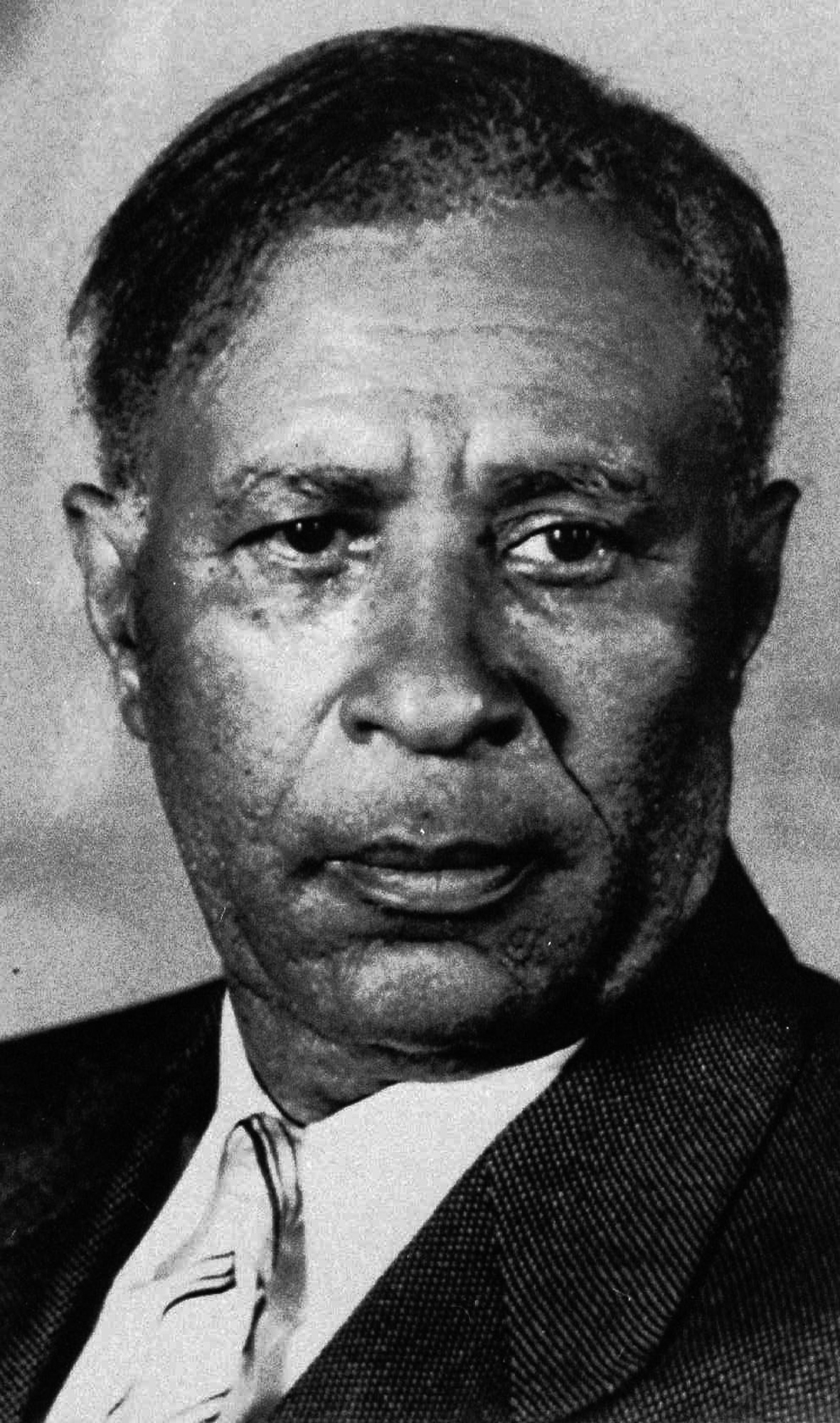
Hamani Diori, President of the Republic Niger, is pictured during the African heads of state conference in Monrovia, the capital of Liberia, May, 1961. (AP Photo)Pope Paul VI asks Hamani Diori, President of the Republic Niger, right, to take a seat in his studio before the start of a private meeting in the Vatican, Vatican, January 14, 1971. (AP Photo)Hamani Diori, President of the Republic Niger, right, is pictured with French President Georges Pompidou at the Niamey presidential palace in Paris, France, January 26, 1972. (AP Photo/Levy)
While the road to progress was not without hurdles, Niger’s independence laid the foundation for a vibrant and resilient nation that would continue to grow, evolve, and play a vital role in the broader context of African unity and development.
Clay Cane is an award-winning journalist, writer, radio host, and political commentator. A graduate of Rutgers University with a degree in African-American Studies, his work on race, culture, and politics have appeared in national publications, including the Washington Post, CNN, and The Grio. Clay is a regular political commentator on MSNBC.