
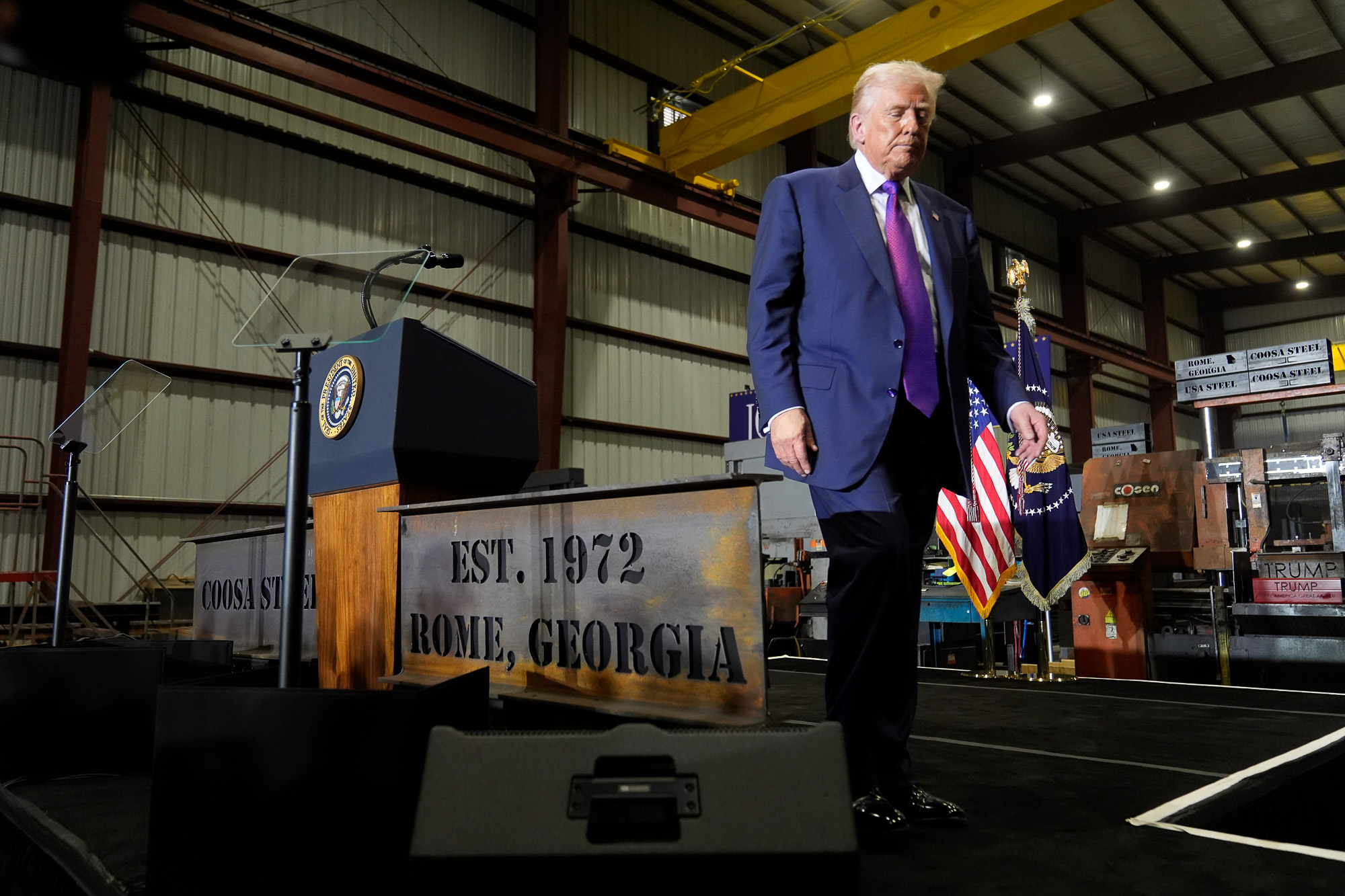
WASHINGTON (AURN News) — President Donald Trump has made trade and tariffs a central priority of his second term even as new data raises questions about the impact of those policies. This comes as American consumers continue to face higher prices, with corporations and businesses passing along increased costs.
Bloomberg reported that the U.S. trade deficit widened in December to its largest level since 1960. Citing Commerce Department data, Bloomberg said the value of imports increased 3.6%.
Despite that data, Trump offered a different assessment in a post on Truth Social on Wednesday.
“THE UNITED STATES TRADE DEFICIT HAS BEEN REDUCED BY 78% BECAUSE OF THE TARIFFS BEING CHARGED TO OTHER COMPANIES AND COUNTRIES. IT WILL GO INTO POSITIVE TERRITORY DURING THIS YEAR, FOR THE FIRST TIME IN MANY DECADES. THANK YOU FOR YOUR ATTENTION TO THIS MATTER!” Trump wrote in all caps.
Trump has repeatedly said other countries and companies are paying the tariffs.
But a new report from JPMorgan Chase presented a more cautious assessment.
“Recent changes in U.S. trade policy have raised tariffs substantially and introduced considerable uncertainty for firms engaged in international trade,” the analysis said.
“Firm-level indicators, such as tariff payments and country-level transaction patterns, can help policymakers assess whether trade policy is meeting its objectives or imposing costs that may shape business behavior and, subsequently, consumer behavior over time, especially as uncertainty around the long-run policy environment persists.”
While the president continues to defend his economic policies, economists are closely watching whether tariff increases are influencing prices and consumer behavior.
Click play to listen to the AURN News report from Jamie Jackson: