
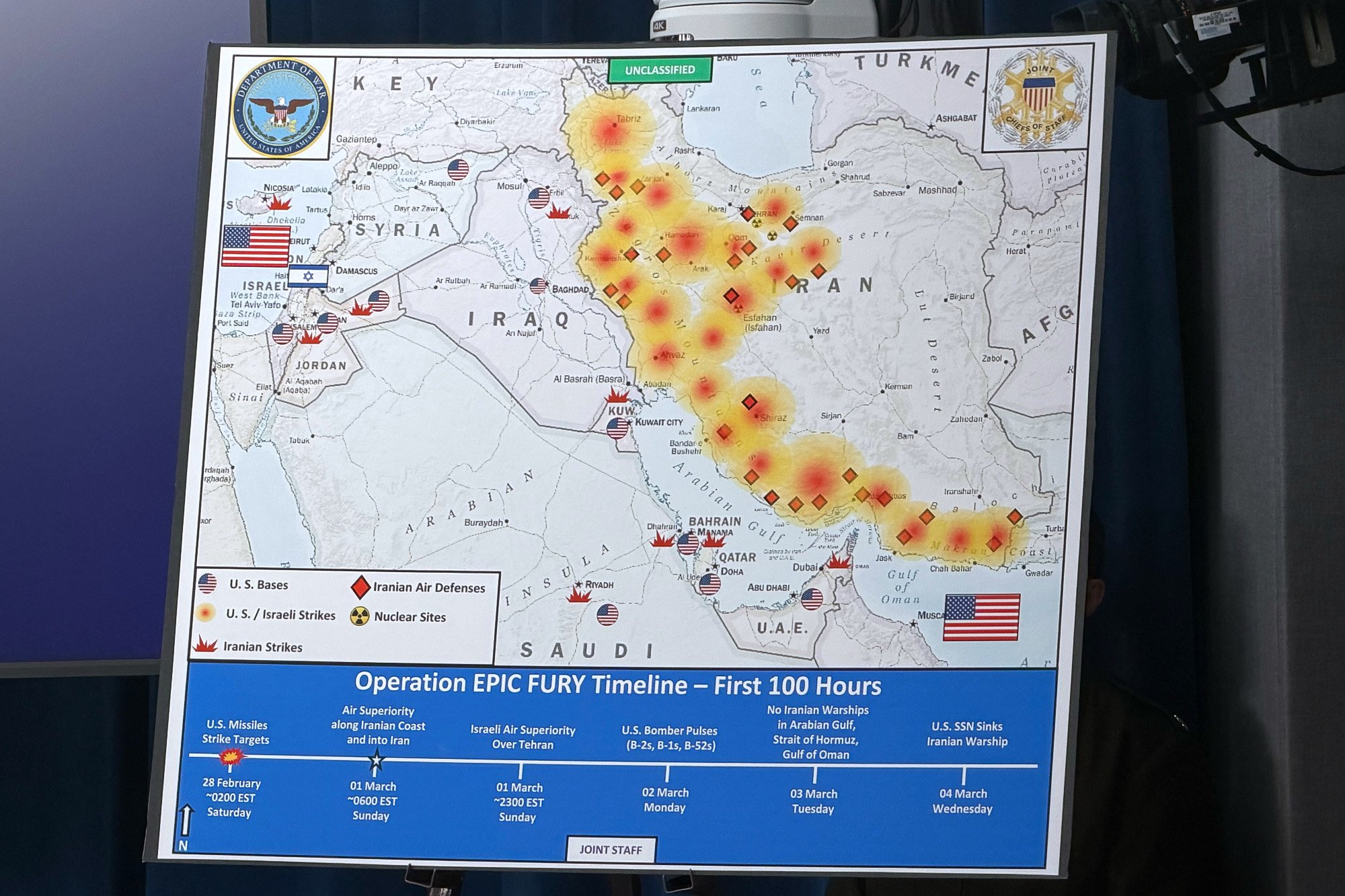
WASHINGTON (AURN News) — With Day 31 of Operation Epic Fury completed Monday, the Trump administration is ramping up pressure on Iran.
Monday morning, President Donald Trump posted on Truth Social, threatening to strike Iran’s power plants, oil wells and refineries if negotiations do not produce a deal within the next 10 days.
During a White House press briefing, a reporter asked press secretary Karoline Leavitt about legal concerns that striking civilian infrastructure, such as power plants, could violate international law and why the president is threatening what could amount to a potential war crime by the U.S. military.
“The president has made it quite clear to the Iranian regime at this moment in time, as evidenced by the statement that you just read, that their best move is to make a deal or else the United States Armed Forces has capabilities beyond their wildest imagination, and the president is not afraid to use them.”
There is another problem: mixed messaging. The president insists negotiations are happening and progressing. Iran says no negotiations are taking place.
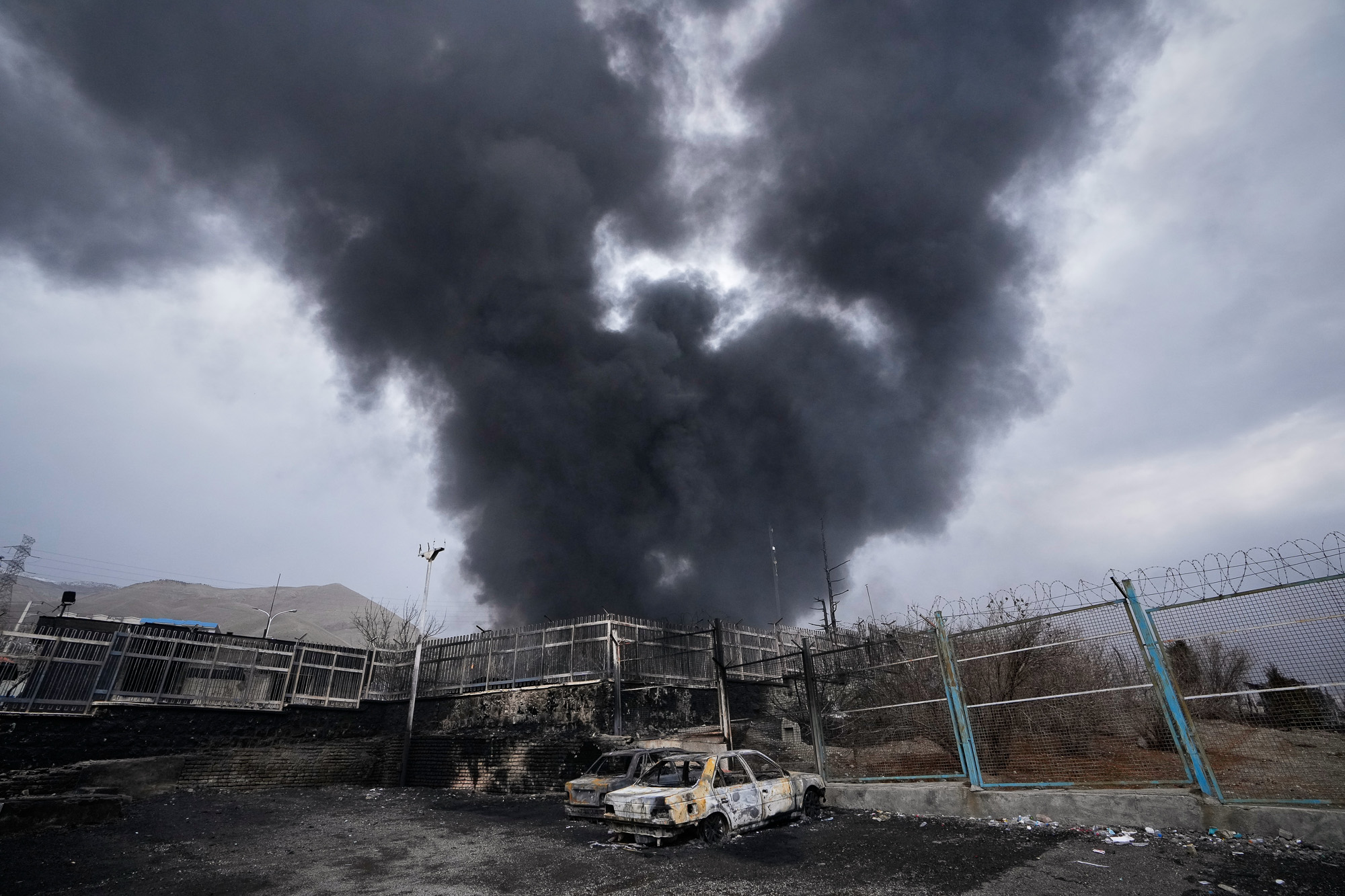
Background of Operation Epic Fury
Operation Epic Fury began on February 28, 2026, as a joint U.S.-Israeli military campaign aimed at dismantling Iran’s nuclear capabilities and security apparatus, according to official statements from U.S. Central Command (CENTCOM). The operation’s opening wave included strikes that killed several top Iranian officials, including Supreme Leader Ayatollah Ali Khamenei. Since then, the conflict has entered a period of sustained aerial bombardment targeting military infrastructure, ballistic missile sites, and naval assets.
Legal and Humanitarian Concerns
The threat to target power plants and refineries has drawn sharp rebukes from international legal and humanitarian bodies. Legal experts and critics immediately noted that intentionally attacking civilian infrastructure like power grids is generally prohibited under international humanitarian law. Specifically, Article 54 of the Geneva Conventions prohibits the destruction of objects indispensable to the survival of the civilian population, such as water and electricity systems.
Diplomatic Standoff and Intermediaries
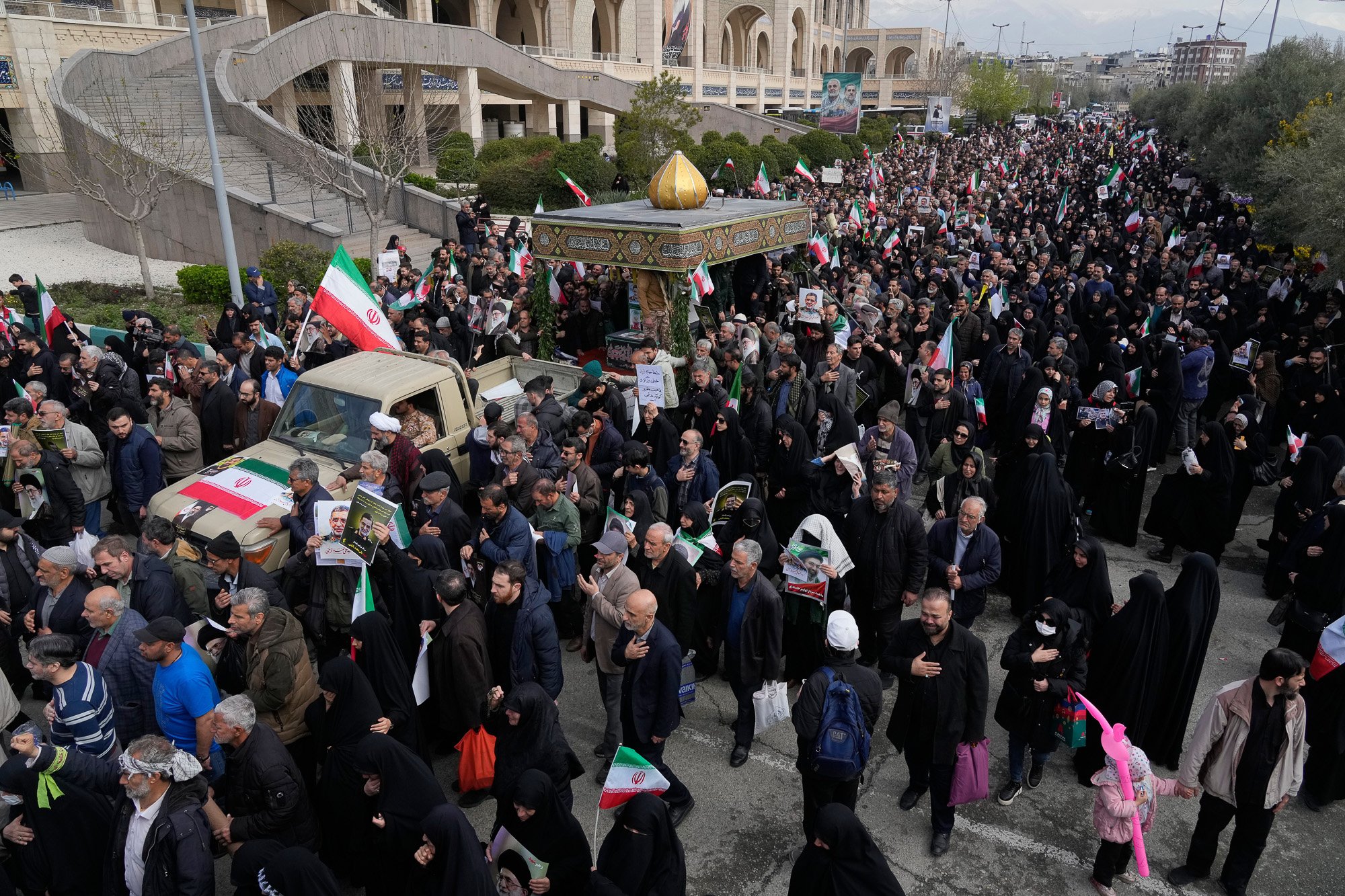
While Trump characterized negotiations as “progressing” in his social media posts, the Associated Press reported that Iranian Foreign Ministry spokesman Esmail Baghaei dismissed the U.S. demands as “excessive, unrealistic and irrational,” denying that any direct talks have occurred. Reuters noted that while high-level direct engagement remains unverified, Pakistan has offered to host talks, and back-channel communication has likely continued through Swiss intermediaries, who have long represented U.S. interests in Tehran.
Energy and Economic Impact
The escalating rhetoric has significantly impacted global energy markets. According to the International Energy Agency (IEA), Iran’s production of 3.2 million barrels of crude oil per day is at risk, leading to fears of a global supply crunch. Market analysts braced for Brent crude to surpass $100 per barrel if the U.S. follows through on threats to “obliterate” energy hubs like Kharg Island — a threshold it has already crossed, peaking near $115. Additionally, The Times of Israel reported that although the U.S. has not made the full reopening of the Strait of Hormuz a “core objective” for ending the war, the waterway remains a critical chokepoint through which 20% of the world’s oil flows.
Retaliatory Threats
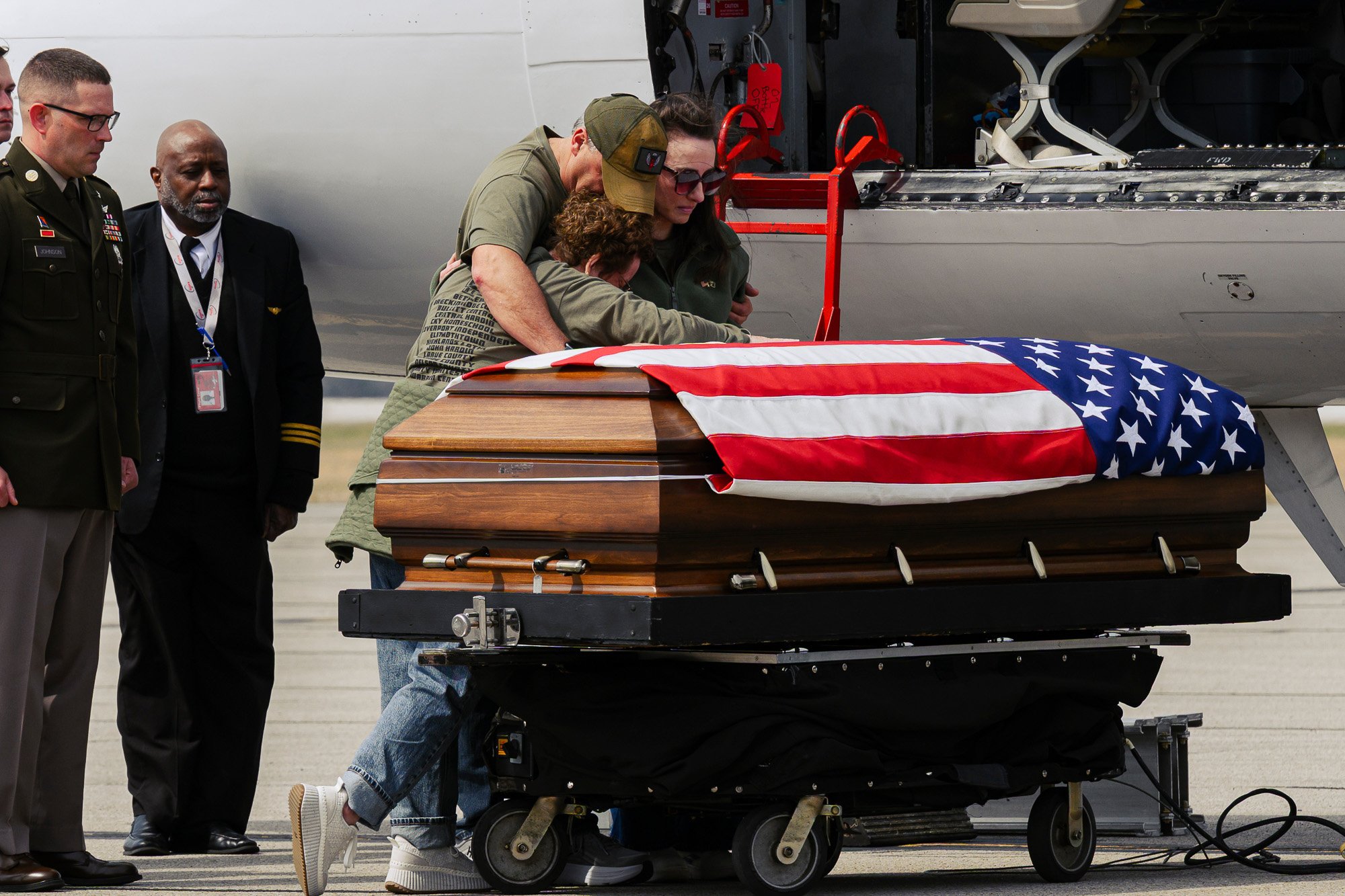
In response to the administration’s 10-day ultimatum, Iranian officials have signaled a willingness to escalate. Associated Press reported that Mohammad Bagher Qalibaf, the speaker of the Iranian parliament, warned that Iranian forces are prepared to “set on fire” any U.S. ground troops that attempt to enter Iranian territory, while also threatening to strike economic and energy infrastructure in neighboring Gulf states.
Click play to listen to the report from AURN White House Correspondent Ebony McMorris. For more news, follow @ebonymcmorris & @aurnonline.