(AURN News) — This Labor Day, America is celebrating workers, but the latest numbers show the workplace is still not equal.
The Black unemployment rate fell to 6% in August, its lowest level this year. That is progress, but it remains substantially higher than the 3.7% rate for white workers. Black women’s unemployment also edged up to 5.6%.
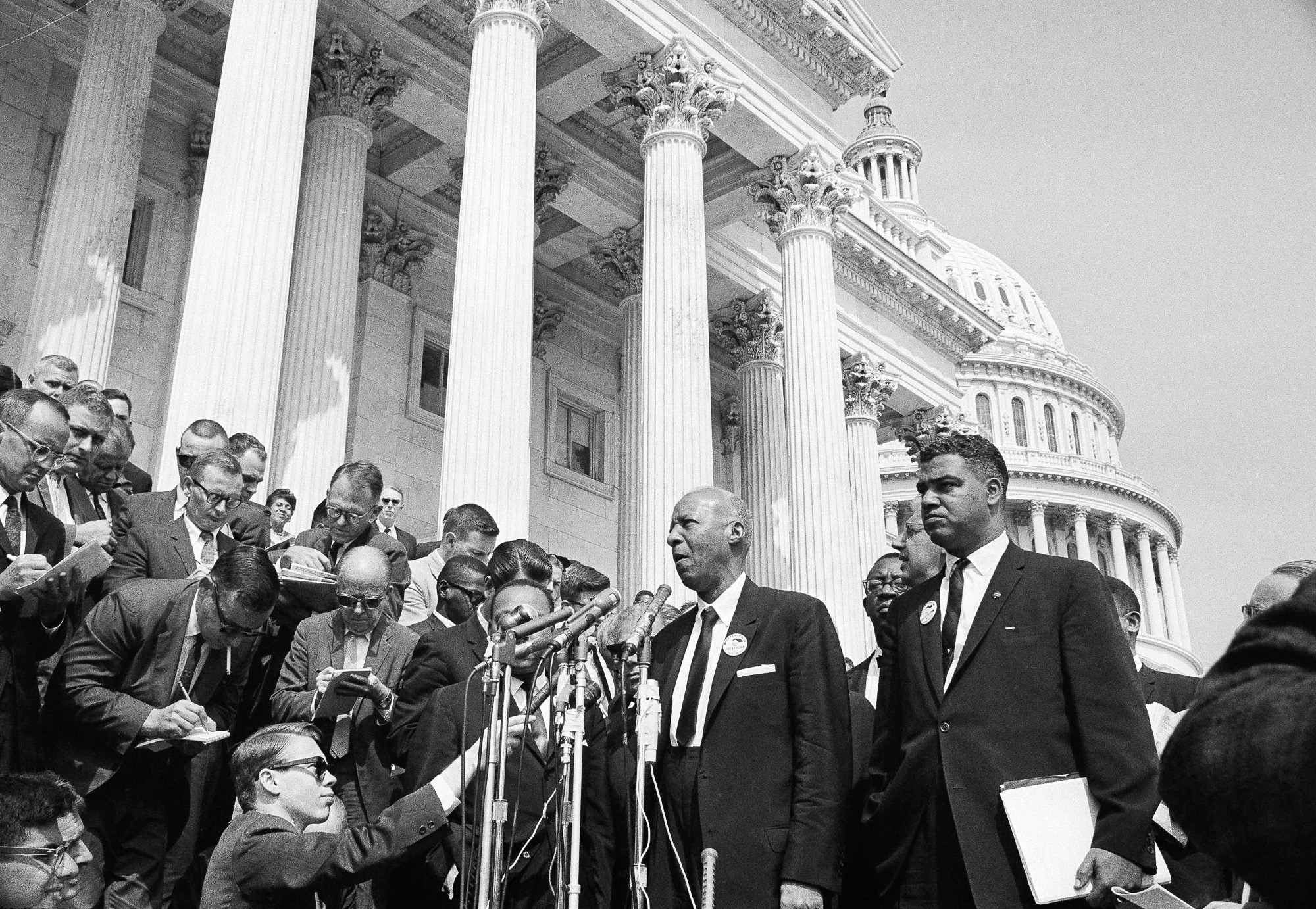
Those numbers help explain why organized labor has held such importance in Black America. From A. Philip Randolph and the Brotherhood of Sleeping Car Porters to sanitation workers marching with the Rev. Martin Luther King Jr., Black workers helped turn labor rights into civil rights.
The movement remains relevant today. Black workers have the highest union membership rate among the nation’s major racial groups, at 11.4%.
Economic Policy Institute research finds that Black workers covered by unions earn nearly 13% more than comparable nonunion workers.