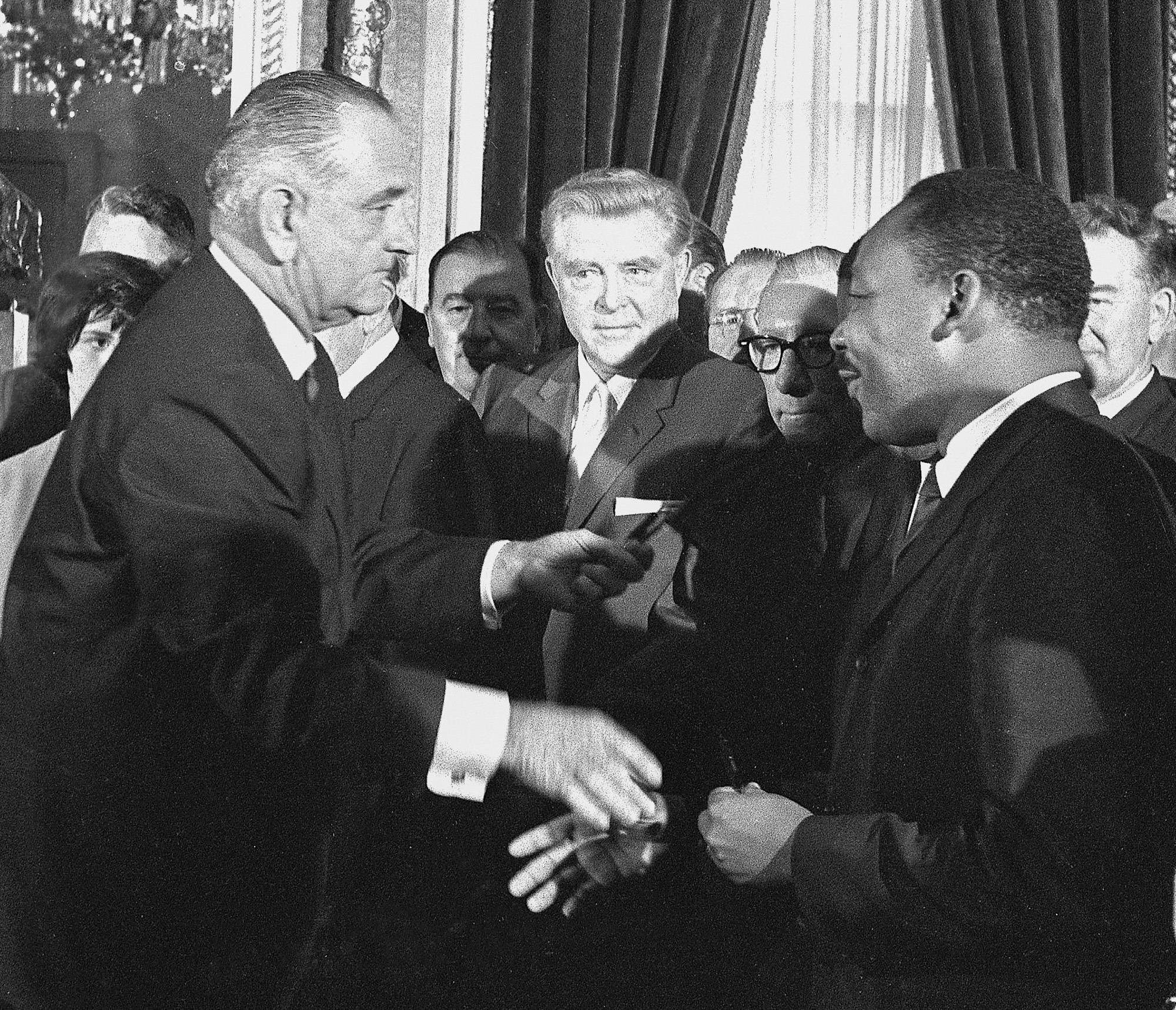
Today marks the 59th anniversary of the signing of the Voting Rights Act, the landmark legislation, a beacon of hope, dismantling bearers of the Jim Crow era and ensuring voting opportunities for communities of color. The past decade has seen the Supreme Court relentlessly chip away at the achievements of the civil rights movement.
The 2013 Shelby County v. Holder ruling, effectively gutting the preclearance provision of the Voting Rights Act, emboldened states to enact racially discriminatory policies. In response, the John Lewis Voting Rights Advancement Act was introduced in Congress in 2021, aiming to restore the Voting Rights Act to its full strength.
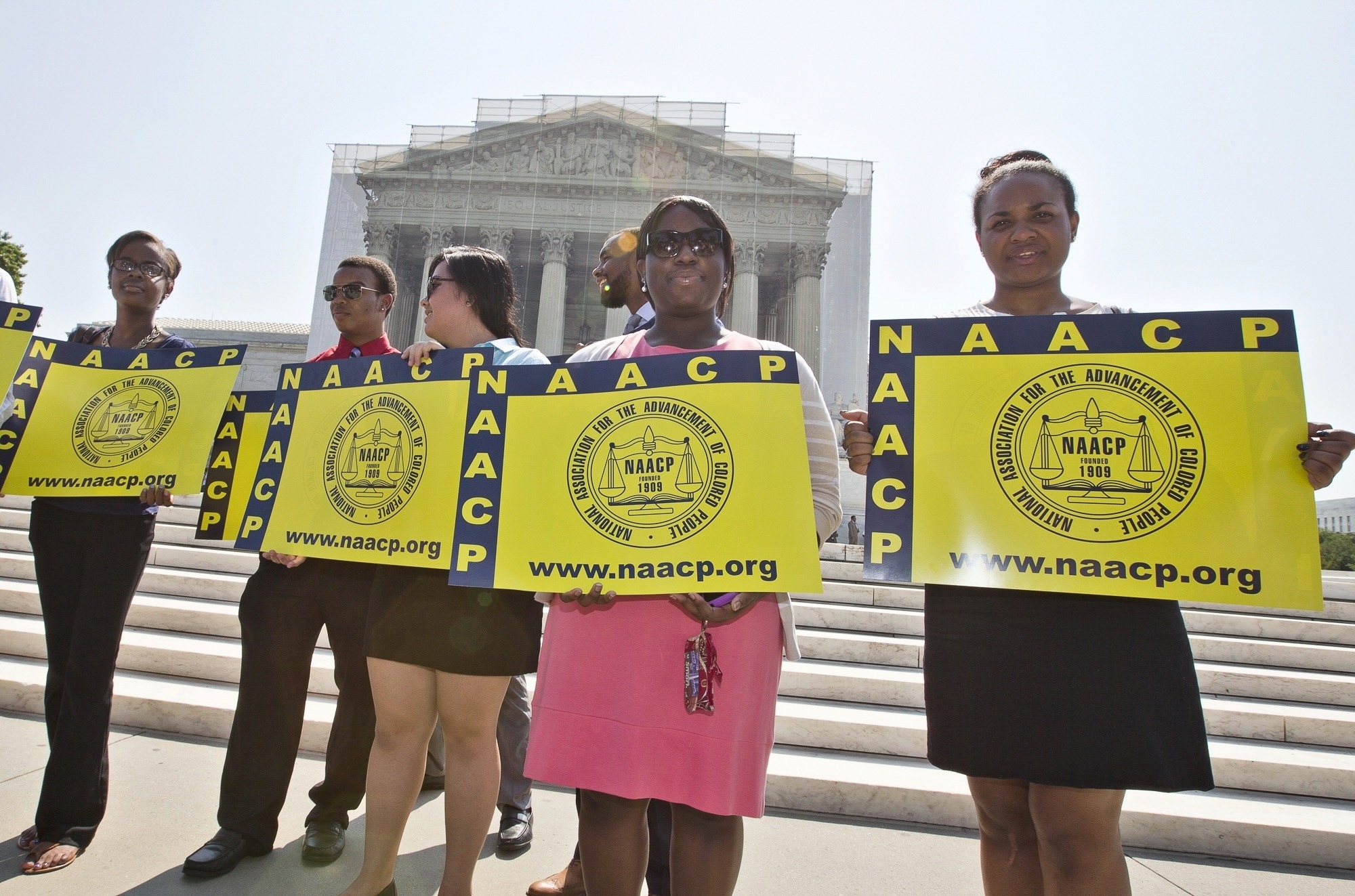
Unfortunately, it did not overcome the Senate filibuster, leaving minority voters vulnerable to discriminatory practices. The Brennan Center for Justice highlighted the urgent need for such legislation, as restrictive voting laws continue to proliferate. At least 31 states have enacted over 100 new restrictive voting laws since the Shelby decision.