
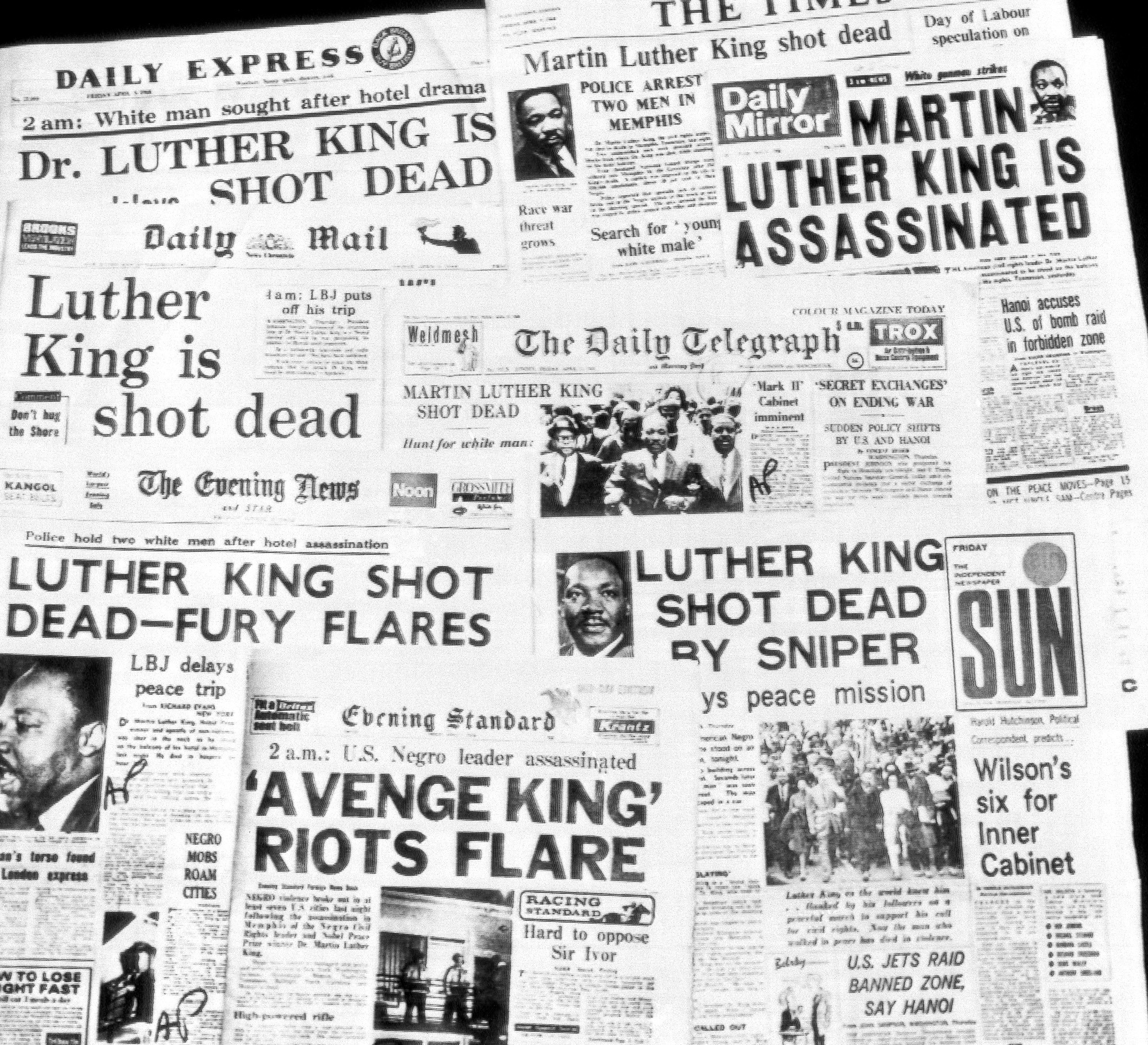
(AURN News) — Tomorrow marks 58 years since Rev. Martin Luther King Jr. was assassinated at the Lorraine Motel in Memphis, Tennessee, at age 39.
On April 4, 1968, King was in Memphis supporting striking sanitation workers, deepening his focus on economic justice. While standing on the balcony of the Lorraine Motel, he was shot and killed by James Earl Ray.
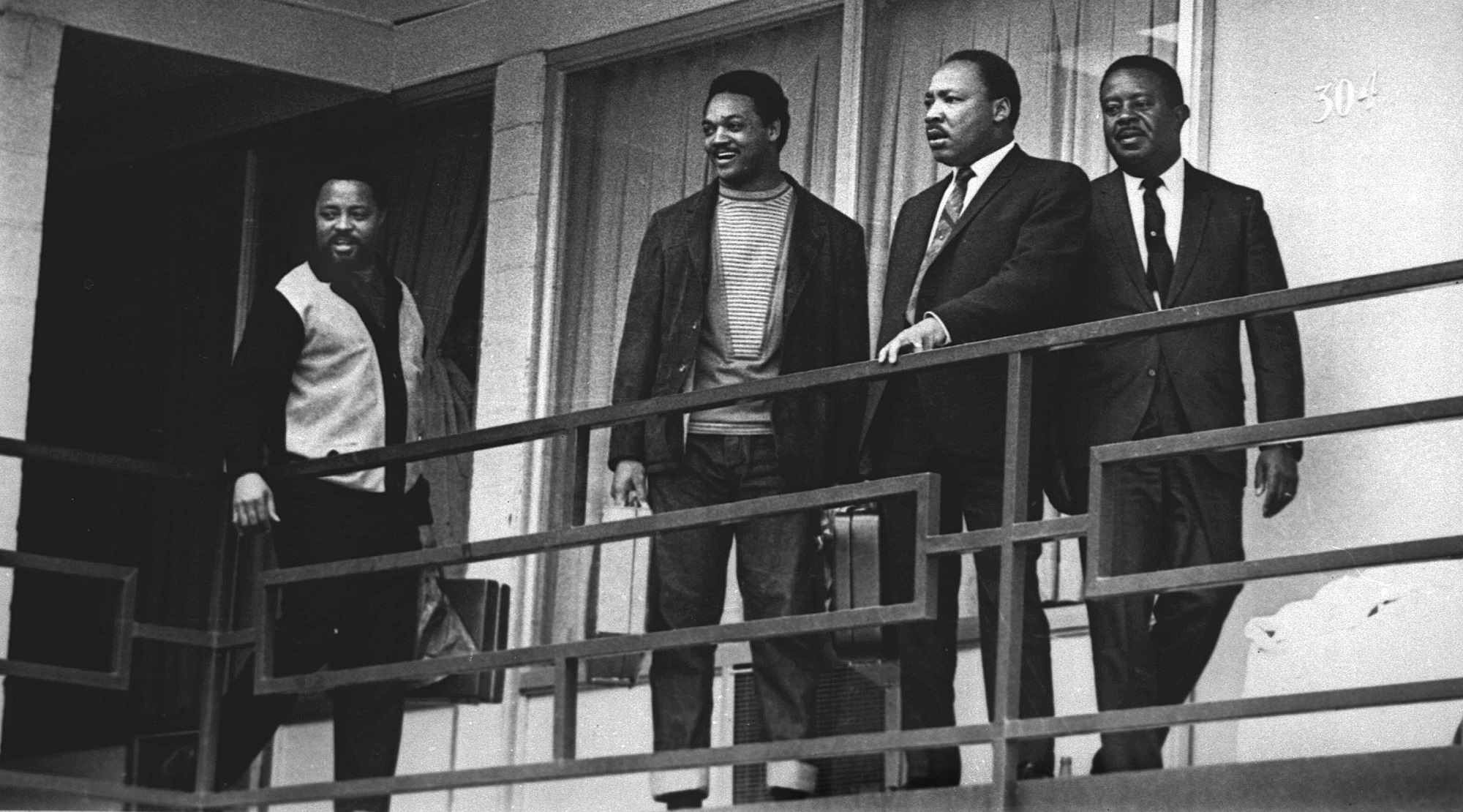
His assassination sent shockwaves across the nation, sparking uprisings in more than 100 cities and laying bare the country’s deep racial and economic divisions.
The moment was not just the loss of a leader but a turning point that revealed how threatening his evolving message had become — one that directly challenged systems of inequality, poverty and power.
King, a recipient of the Nobel Peace Prize, was a central figure in the civil rights movement, leading numerous nonviolent demonstrations for racial equality, including the Montgomery Bus Boycott, the Selma-to-Montgomery marches and the 1963 March on Washington.

His death also forced the nation to confront the reality that nonviolent protest did not shield Black leaders from violence.
Decades later, the questions he raised about justice and equality remain unfinished and urgent.
Click play to listen to the AURN News report from Clay Cane. Follow @claycane & @aurnonline for more.