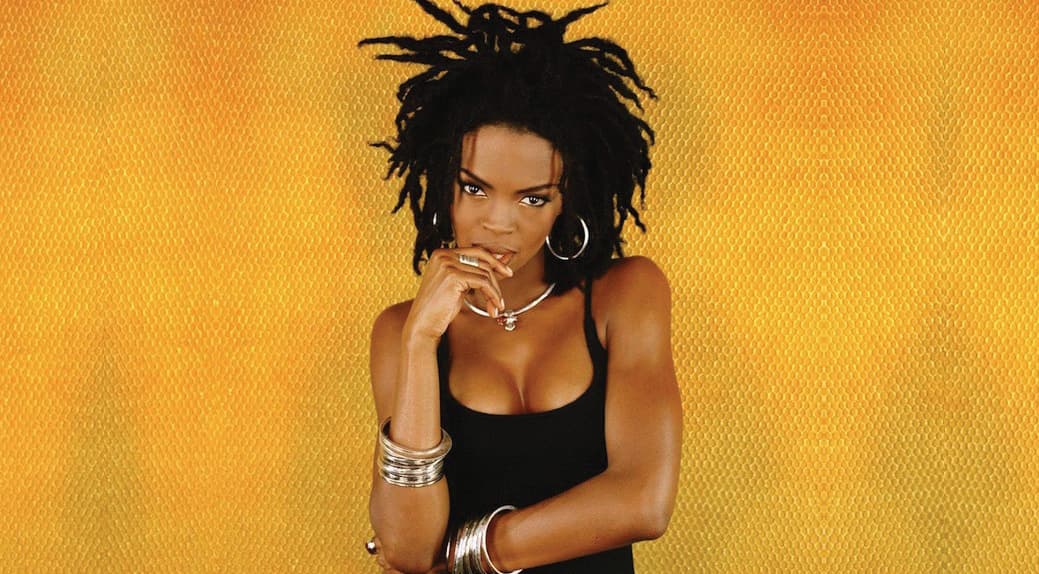
The year 1998 was an iconic period of classic albums like DMX’s It’s Dark and Hell is Hot, Outkast’s Aquemini, and Jay-Z’s Vol.2…Hard Knock Life. Hip hop had reached a stage of mainstream commercial success matched with critical praise that buried the “fad” stigma the genre had carried throughout the 1980s. One artist who stood above the rest in the late 90s was Lauryn Hill, aka L. Boogie. Her superb singing and rhyming were on an elite level that made her a singular talent even within this exceptional period. Hill’s combination of skills as MC and songstress elevated hip hop music to levels that are still felt twenty-five years later.
Before becoming an icon, Lauryn Hill was raised in the suburbs of South Orange, New Jersey, in an area of multiracial ethnic groups. “I grew up with this very eclectic—just interesting exposure to all these different cultures,” says Hill. While in High School, she formed a group with friends Pras Michel and Wyclef Jean; they called themselves The Translator Crew for their ability to speak different languages while rhyming.
Hill also studied acting in Manhattan and earned a minor role in an Off-Broadway hip-hop musical, Club Xll, starring MC Lyte. An agent noticed Hill’s talent, and soon she was booking roles in soap operas. This led to a significant part in the 1993 film Sister Act 2: Back in the Habit starring Whoopi Goldberg, where Hill also showcased her singing ability. Around the time of the movie’s success, The Translator Crew changed their name to The Fugees, and by 1994 they were ready to release an album.
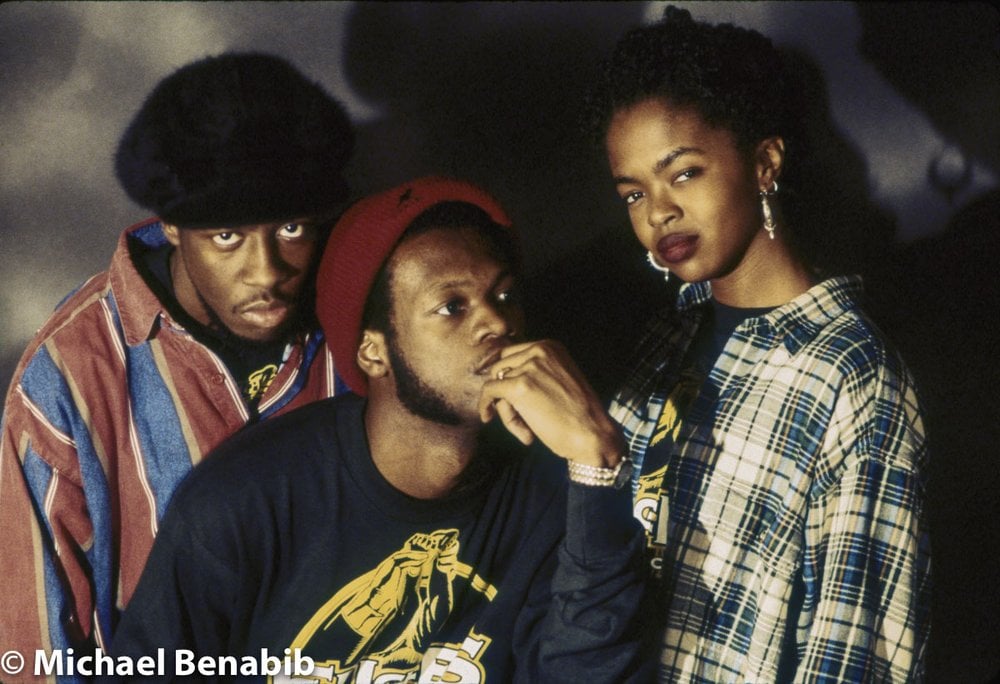
The Fugees’ debut album, Blunted on Reality, was a commercial failure that most hip hop fans ignored. The record’s one spark was the song “Nappy Heads”, where there’s early evidence of Hill’s gifted lyricism, with lines like “I don’t puff blunts/ so I always got my breath.” The group redeemed themselves in 1996 with sophomore release, The Score. On it Hill takes center stage. She shines vocally on a rendition of Roberta Flack’s “Killing Me Softly.” L Boogie also sings and rhymes in a high fashion on tracks like “Fu-Gee-La” and “Ready or Not” with searing bars like, “So while you imitating Al Capone/ I’ll be Nina Simone/ and defecating on your microphone.”
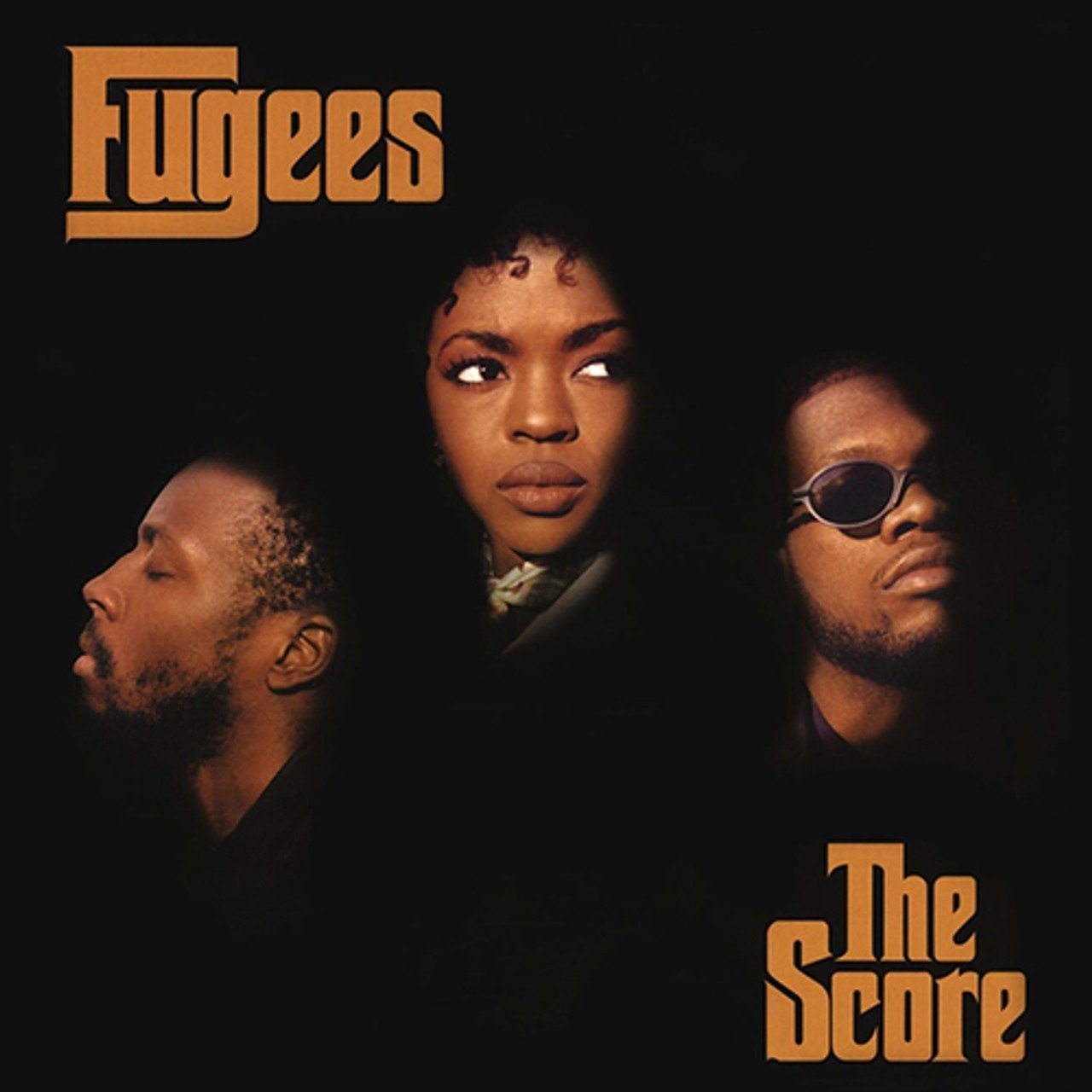
The Score was a mainstream hit, selling 20 million worldwide and winning multiple awards—including a Grammy for Rap Album of the Year. Despite hip hop fans crying for Hill to go solo, she initially thought differently, stating, “I intended to be in a group forever until I found myself in circumstances where I felt the inner desire to express myself freely and openly without constraint.” Luckily for hip hop, that feeling of restriction created a work that would shift the culture forward.
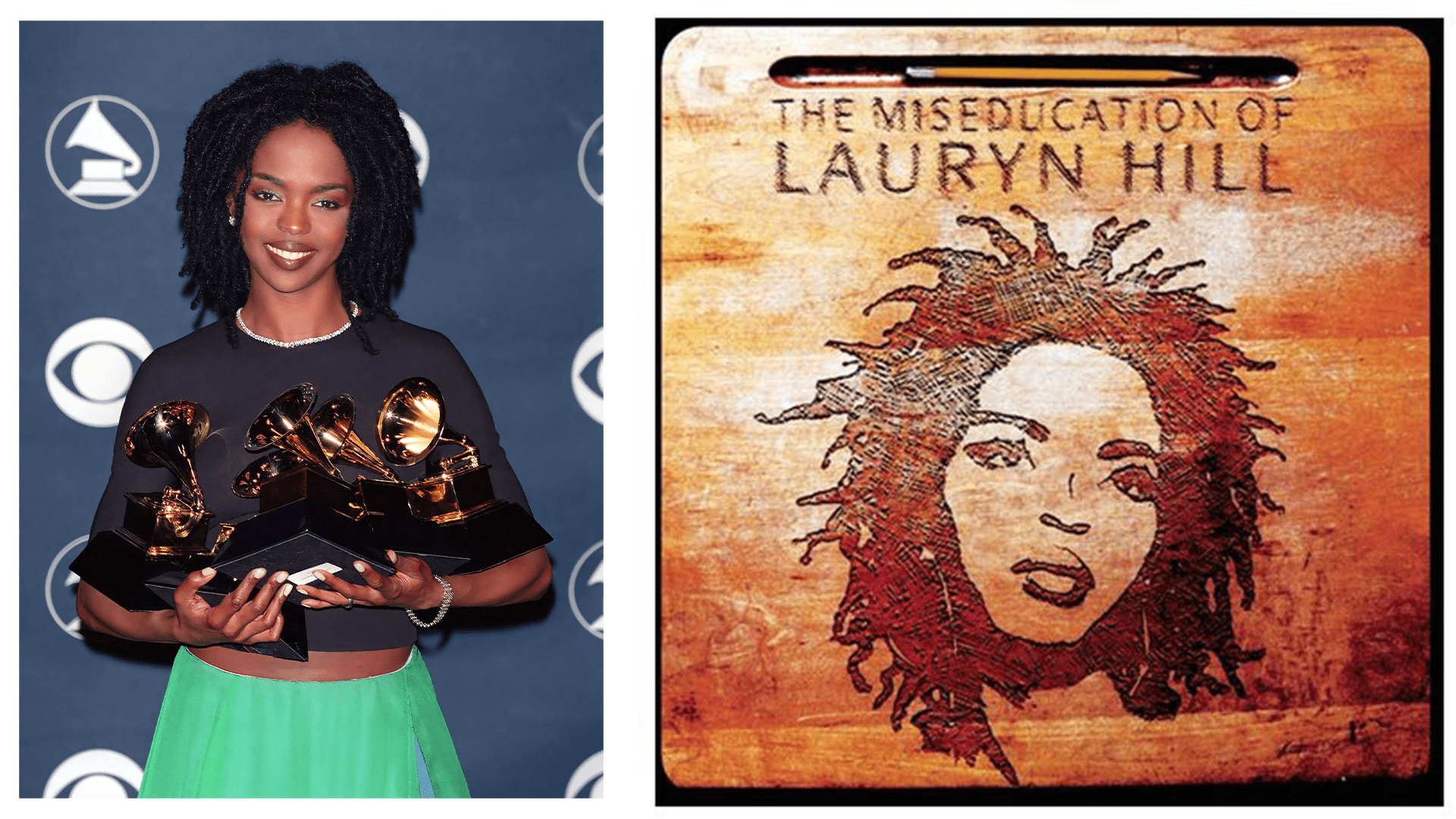
On August 25, 1998, Lauryn “L. Boogie” Hill released her solo debut, The Miseducation of Lauryn Hill, starting a new chapter and ushering in a brave, new world that blended hip hop and R&B. The title is derived from Carter G. Woodson’s book The Mis-Education of the Negro and the 1970s Black film drama The Education of Sonny Carson.
A school bell is the very first sound on the album, an introduction which establishes that class is in session to learn about Lauryn Hill, the person. “I’ve gone through a lot, a huge emotional and spiritual battle prior to the creation of that album,” said Hill. Hence the vulnerability through each song—as if Hill is sitting right next to you, telling her story. Whether expressed through rhyme or singing, each track is a tale of discovery—a life lesson. She explains the epiphanies through song. “When I thought I was most wise,” Hill said, “I really wasn’t wise at all.”
In today’s era, an artist who sings and raps is typical. Still, in 1998, there were intense debates about whether The Miseducation of Lauryn Hill was an actual hip hop album because the display of singing outweighed the rapping. Lauryn stood stern on her opposing stance, stating, “You can still be musical and be very much hip hop.”
The musical proof Hill is referring to comes from the album’s lead single, “Doo Wop (That Thing)”, where she rhymes as a cool big sister giving lessons to both men and women. In “Ex-Factor” she sings with a deep passion of heartbreak that resonates just as emotionally as its sample from Wu-Tang Clan’s “Can It Be All So Simple.” “Lost Ones” is where the MC known as L. Boogie’s sends shots at all would-be challengers with lines like “Some wan’ play young Lauryn like she dumb/ But remember, not a new game under the sun.” Hill glides over the breakbeat with sophistication, rhyming deadly but with finesse.
The hip hop soul part of Miseducation beams on Hill’s duets, like “Nothing Even Matters” featuring neo-soul king D’Angelo where both artists’ vocals are convincing enough to make us believe they’re in love. Hill shares a soulful commiseration, sister-to-sister, with hip hop queen Mary J. Blige on the song “I Used to Love Him.” “Final Hour” is the album’s underrated B-side track where Hill raps with authority on the chorus, “You can get the money/ you can get the power/ But keep your eyes on the final hour,” offering a response to the call of then-Bad Boy artist The Lox’s “Money, Power, & Respect.”
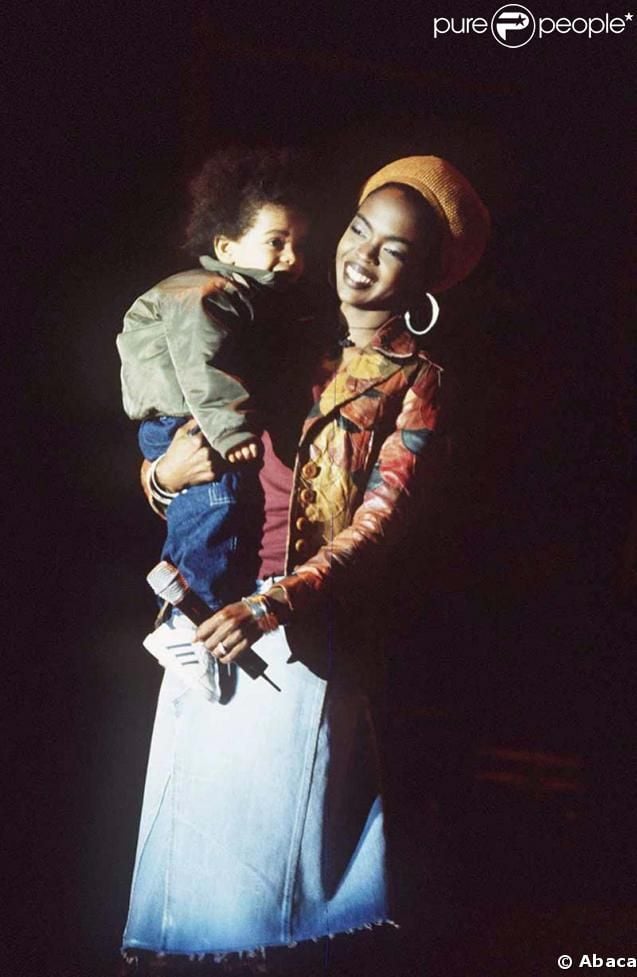
One of the album’s most heartfelt moments occurs in the song “Zion.” Hill’s voice cracks with agony as she expresses the music industry’s pressure to save her career and not to give birth to her first-born son, Zion. The song’s bridge is pure joy sung by Hill as legendary guitarist Carlos Santana plays to her vocals, a celebration of choosing motherhood.
To callThe Miseducation of Lauryn Hill a success is an understatement. The album sold over 450,000 copies in its first week of release and has sold over 20 million worldwide. It won several accolades, including a Soul Train Music Award, MTV Video Music Award, and an NCAAP Image award. For the 1999 Grammy Awards, Hill received ten nominations (the first woman to do so) while winning five, including Best New Artist, Best R&B Song, Best Female R&B Vocal Performance, Best R&B Album, and becoming the first hip hop Artist to receive Grammy Album of the Year.
The legacy of The Miseducation of Lauryn Hill is a masterful body of work that can exist at any time. Every song sounds updated lyrically or production-wise, and each track breathes fresh life within its era. Songs from the album are sampled or heard from artists like Drake, Cardi B, J. Cole, and more. While Lauryn Hill the artist inspired a generation of women in hip hop (like Nicki Minaj, who fell to her knees—literally—in praise), The Miseducation is art that promotes emotional healing, vulnerability, and optimism from a hip hop viewpoint.
The album’s success gave the green light to future artists who wanted to sing and rap on a track without being forced to choose. The Miseducation of Lauryn Hill gave birth to many post-1990s hip hop melodies, and it is why the culture can celebrate 50 years of existence.