
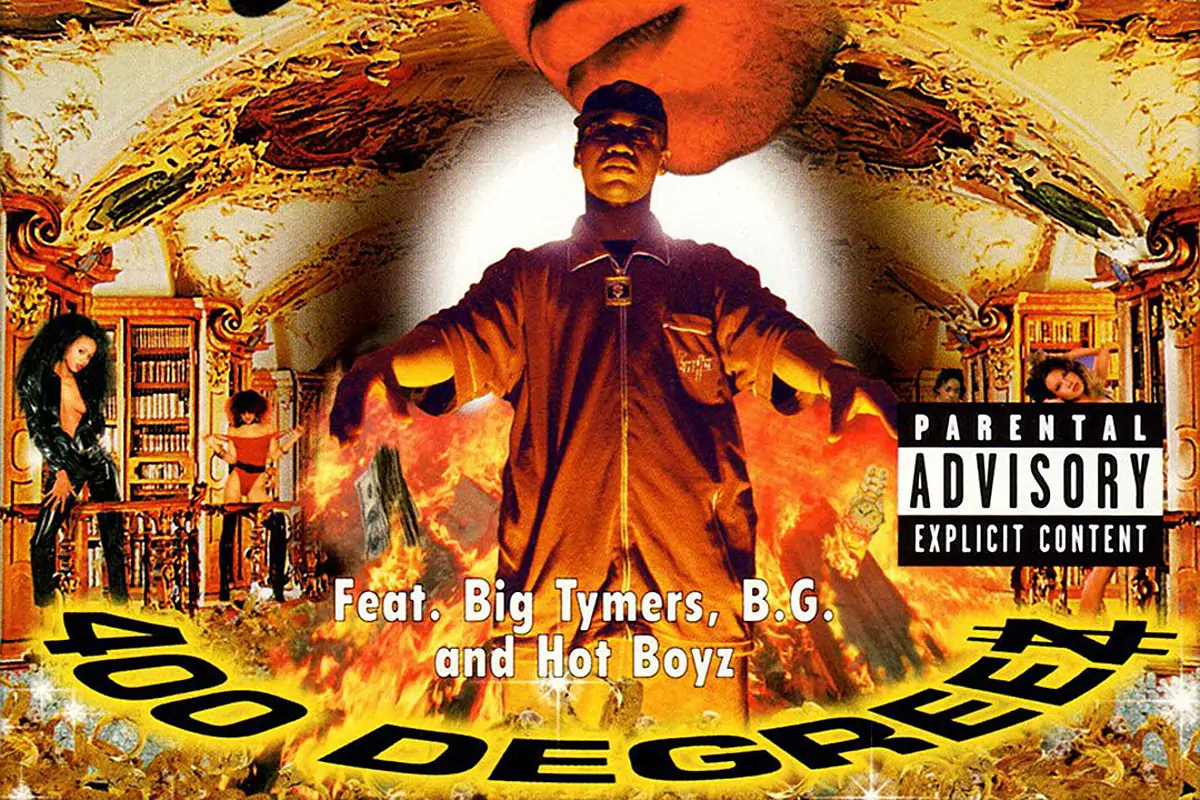
Twenty-five years ago, Juvenile’s 400 Degreez debuted on Cash Money Records as a groundbreaking instant classic, pioneering the southern New Orleans bounce sound and ushering in Cash Money as one of Hip Hop’s most iconic record labels.
A Bounce Backstory
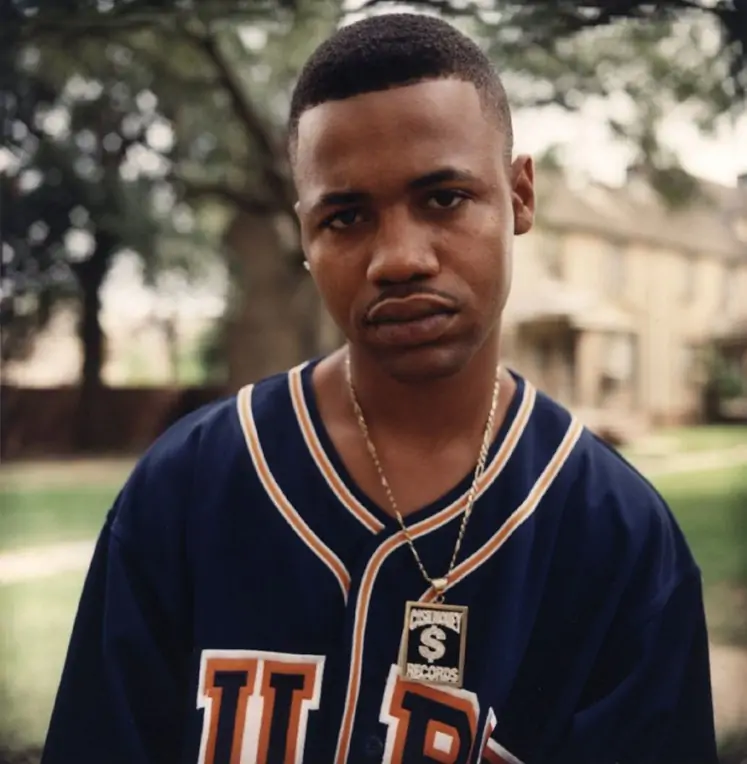
In the late 1980s into the early 1990s, a young Terius “Juvenile” Gray from the Magnolia Projects of New Orleans, Louisiana, began creating buzz as a rapper on the local block party scene. “Before I met Juvie, Juvie used to actually rap at some of my dad’s DJ things,” says Mannie Fresh, former in-house producer for Cash Money Records. Then, the release of “Bounce with the Juvenile” with DJ Jimi elevated Juvie’s local stardom. “His wordplay was so unorthodox,” said Mannie Fresh, “something you had never heard.”
The success of “Bounce with the Juvenile” created enough fanfare for the young rapper to debut a solo album entitled Being Myself, which he released on an independent label, Warlock Records. Unfortunately, local fame wasn’t enough to pay bills, so Juvenile still worked a regular, 9-5, day job. But fate changed for Juvie while waiting at a bus stop one day after work. The brothers Ronald “Slim” Williams and Bryan “Birdman” Williams, while offering him a ride home, convinced Juvenile to sign with their label Cash Money Records. After that, Juvenile dropped his sophomore release—the first on Cash Money, Soulja Rags, which sold over 200,000 copies independently. Enough to conquer New Orleans, but not the world.
Cash Money Needs an Army
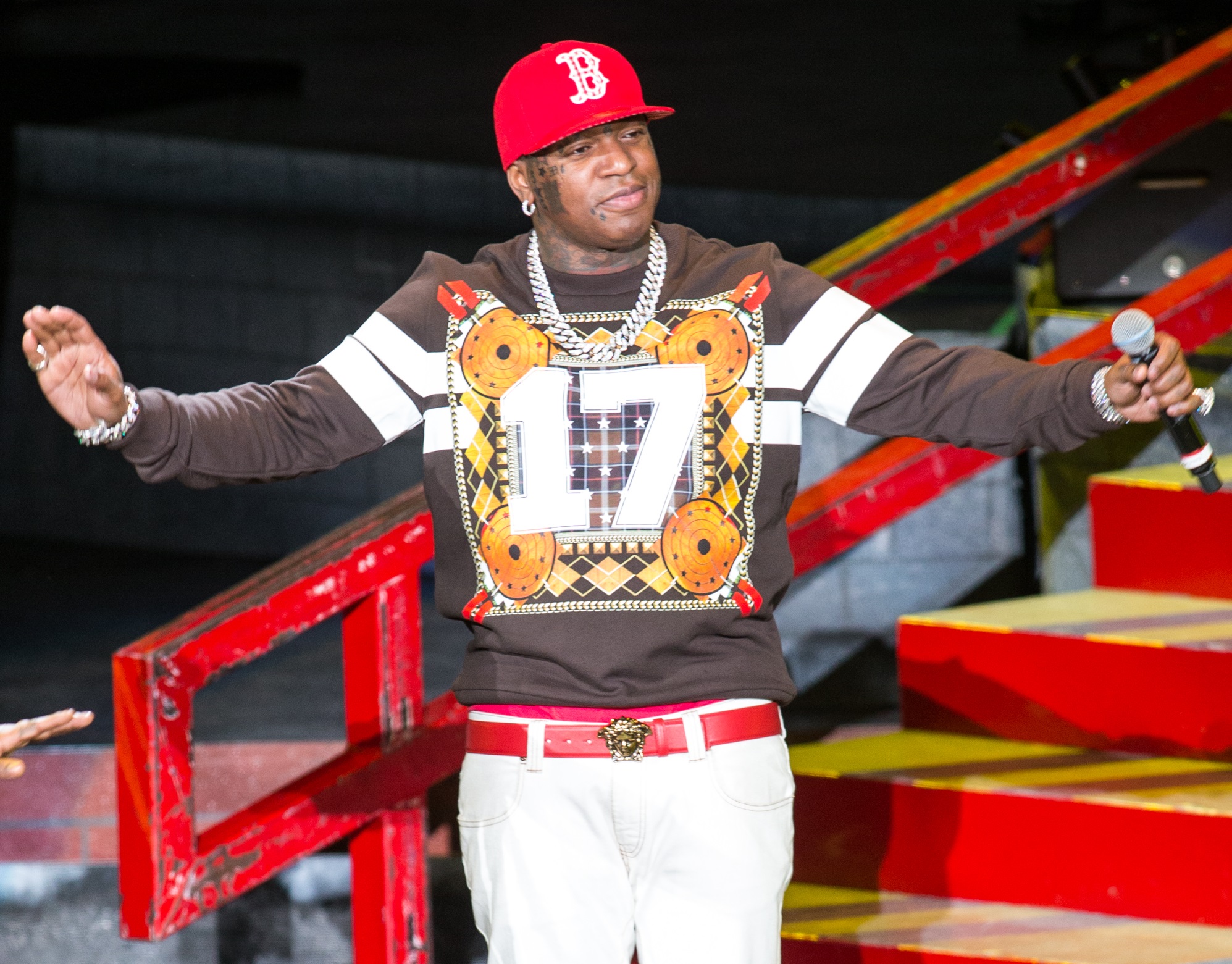
Cash Money Records was founded in 1991 and became a respected label around the New Orleans rap scene with artists like Magnolia Shorty and U.N.L.V. But their local light was overshadowed by the massive rise of crosstown rival rapper/CEO, Percy “Master P” Miller and his No Limit Records. Miller’s label secured a multi-million-dollar distribution deal with Priority Records, providing the financial boost for No-Limit’s commercial success. The same kind of boost the Williams brothers needed. “That’s why Cash Money came to me; they wanted the No Limit deal,” says Wendy Day, founder of the Rap Coalition, a nonprofit organization built to help artists with record deals.
The Williams brothers, Birdman and Slim, contacted Wendy Day to help them get a major distribution deal that would allow them to keep ownership, just as she’d done for Master P and his No Limit Label. Day successfully negotiated a $30-million deal with Universal Records for Cash Money that helped to elevate them to a national level.
You Better Run for It, Run for It, Run
400 Degreez debuted on November 3, 1998. Fans assumed the album’s title was a metaphor, but for Juvie himself it was a literal definition. “With me,” said Juvenile, “I bake my fish at 400. I bake my chicken at 400, that’s just my number, PERIOD!” The lead single “Ha,” was backed by a signature bounce sound from producer Mannie Fresh, and its lyrics were a local slang tribute: “By me being in the Magnolia, I call my style the Off-the-Porch flow,” says Juvie. “So, I took the everyday slang, ‘Ha’, the question, an answer, everybody use every day. Like ‘the boy went to the store, Ha?’ ‘Say bruh, didn’t the Saints win that last game, Ha?’”
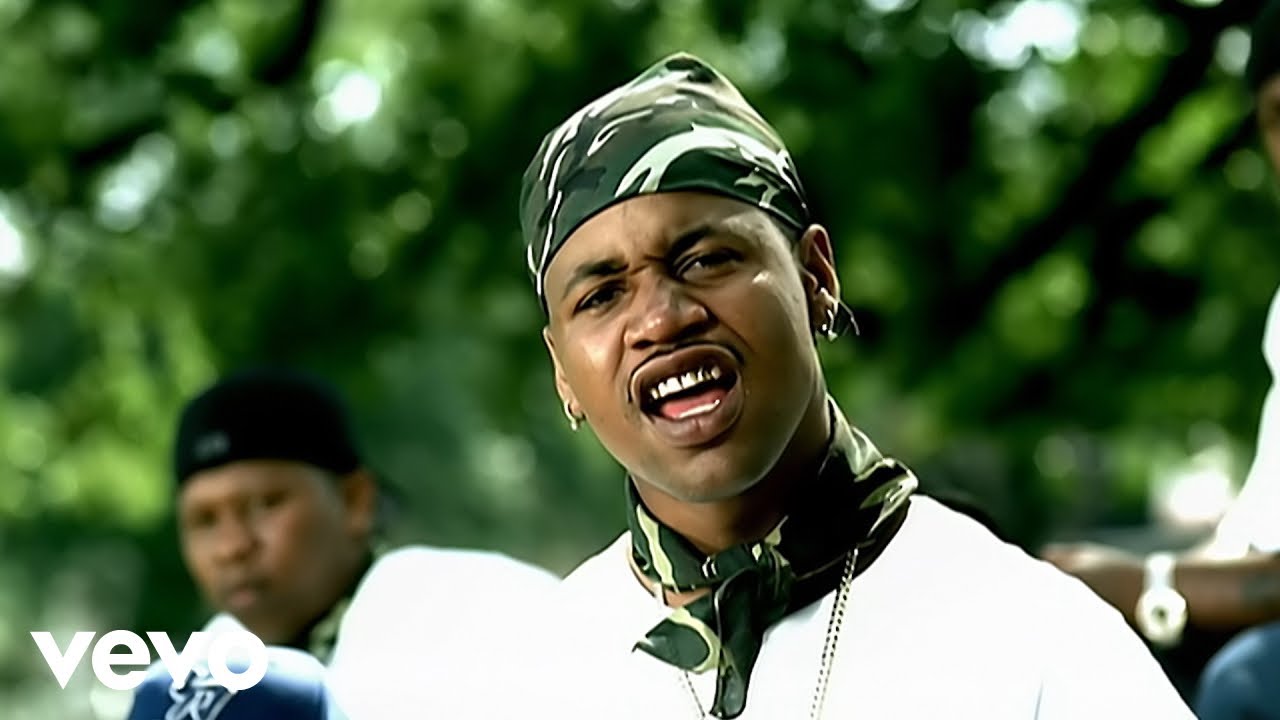
The follow-up single off 400 Degreez, “Back That AZZ Up,” proved its commercial value and became an instant classic. The baseline and violins create a universal heartbeat that thumps as soon as Juvie says, “Cash Money Records taking over for the ‘99 and the 2000!!” The song was such a 180 from the album’s lead single that it introduced a movement to the mainstream. “Back That Azz Up, coming out—that was an introduction to bounce music to the world,” says Mannie Fresh. “A lot of people don’t know; it was met with, ‘Nah, maybe the world is not ready for it.’ Like we get it, this New Orleans. We get it!”
At only 23, Juvenile rapped with an old soul. On the 400 Degreez album, songs like “Ghetto Children”, “Follow Me Now”, and “Flossin Season” depict impoverished, inner-city life. Juvie’s rhymes were like that of a young, cool uncle or a big cousin delivering life lessons in harmony. On “Gone Ride with Me,” he says “My nine gonna die with me./ Pick up a supply with me./ Be up in the ride with me.” The posse cut “U.T.P.” is a homegrown track that features labelmates Hot Boy$ and Big Tymers, solidifying them as an elite rap clique. “Rich N****z” is where the mainstream world first hears Lil’ Wayne coin the phrase “Bling, Bling”, and “Run for It,” showcases Juvie’s gift as a profound storyteller.
A Built Legacy
With albums like Outkast’s Aquemini, Big Pun’s Capital Punishment, and Lauryn Hill’s Miseducation, 1998 is arguably Hip Hop’s most significant year. Yet, 400 Degreez sets itself apart because, as an album, it introduces the world to the bounce-beat movement of New Orleans. Juvie’s work is superb and uplifts southern Hip Hop—not to mention that the album’s commercial success (4x platinum according to RIAA) planted a legacy for the future of Cash Money Records. The achievement of 400 Degreez leveled the playing field for past and present label artists like B.G., Lil’ Wayne, Tyga, Drake, and Nicki Minaj. Juvenile grew to become a successful artist, but it will always be the masterful work of 400 Degreez that made him a legend.